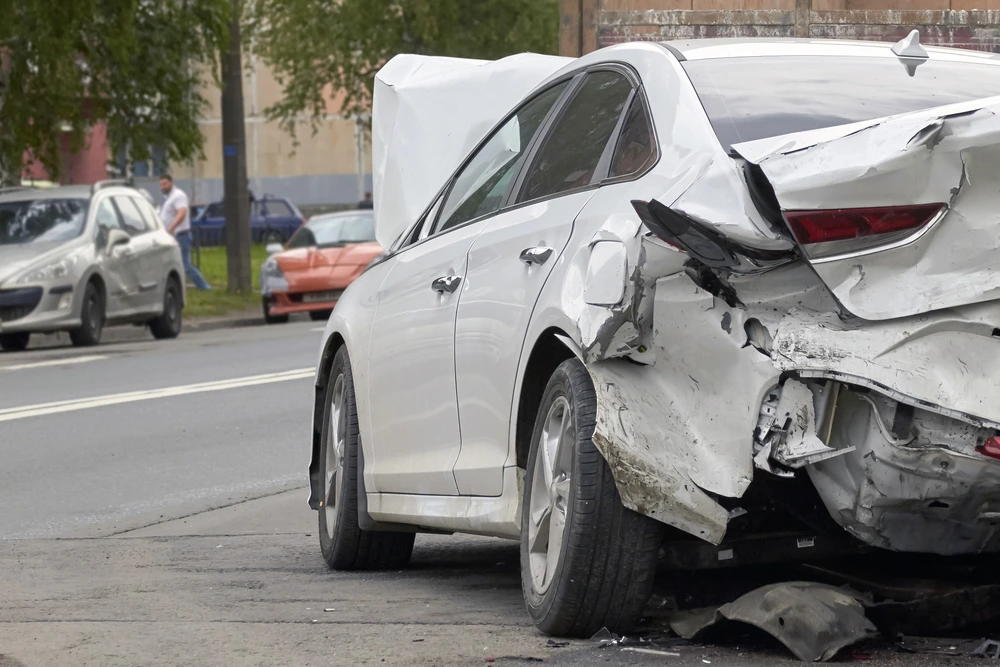


Unfortunately, giving a recorded statement to the other driver’s insurance company can be a mistake. If you’re wondering, “Should I give an Insurance Statement After a Car Accident?”, be cautious and consider the potential consequences before giving any statement to the adjuster about a car accident.
After someone is injured in a car accident and calls the insurance company to report their claim, the insurance adjuster typically requests a recorded oral statement and may even attempt to settle the case.
Top-rated Houston personal injury lawyer explains reasons why providing a recorded statement to the insurance company is not a good idea, along with tips for handling your claim.
First, other than determining what exactly occurred in the crash, there is no rule or requirement that the injured person provide a recorded statement to the adverse insurance company.
What to do When the Adjuster Wants a Recorded Statement After a Car Accident?
Many adjusters will try to bully their way to obtain a recorded statement by saying things like: “I can’t process the claim without it,” or “Without a recorded statement, we will close the file.”
These statements tend to intimidate the personal injury victim, who ends up giving a recorded statement. That statement will be used against them. The questions are asked by someone who is trained to obtain information that may be useful in defending the case or denying the claim. However, providing a statement can harm a claim.
If the insurance company is your company, you may have a duty to provide a recorded statement. However, talking with a car accident lawyer in Houston, Texas, before you give a statement to the insurance company is recommended.
Recorded Statements Only Hurt Your Claim
Understand that if you do give a recorded statement, everything that you say in the statement can be used against you at trial. Your recorded statement cannot help you at trial, but it certainly can hurt you. Car accident attorneys know how defense attorneys use the recorded statement you provided to the insurance company.
Even clear liability situations like being rear-ended can lead to questions designed to defend your claim.
If you feel compelled to give the adjuster information regarding the accident, consider refusing a recorded statement instead of letting the adjuster take notes. The odds of this being used against you are much less because the adjuster would have to appear at trial as a witness.
Adjusters are Trained on What Questions to Ask After an Auto Accident
Many insurance companies send their adjusters to classes to learn how to elicit responses that help defend their cases. While the adjuster may be simply trying to gather information, some adjusters are attempting to create defenses by the way they ask their questions.
Questions with built-in assumptions, such as “When did you first see the car,” are used to help defend the case and argue for shifting responsibility if the case gets to a trial.
The insurance company may be aware of your injuries. The trap occurs when providing a recorded statement without knowing the extent of your injury or the need for medical care. Personal injury attorneys in Conroe know it is not advisable to discuss your thoughts on an injury before you have completed your treatment with your doctors.
Questions Insurance Companies Ask on Causation of the Accident
One area that adjusters always inquire about in recorded statements is how you perceive the accident. Often, they are asked leading questions such as “When did you first hit your brakes?” Or “When did you first see the other vehicle?” or “What invasive actions did you take?” In each of these instances, they are assuming facts that may not be accurate.
They hope to secure your admissions, which may enable them to shift at least part of the responsibility for the crash to you.
Texas is a Shared Fault State
Texas is a comparative fault jurisdiction, meaning that everybody’s actions are considered to determine fault in a crash. To the extent the victim is found partially at fault, it generally reduces the amount recovered in the case.
Should I Accept an Injury Settlement Offer Verbally?
Do not accept any offer of settlement while your medical prognosis and treatment are up in the air. Settling when you are not one hundred percent sure of your injury and recovery only shifts the risk of loss.
Oral Settlement Agreements May be Binding in Texas
Suppose the adjuster makes an oral offer, and it is accepted. In that case, that acceptance may be binding on you even if your medical expenses are far greater than anticipated when you accepted. A recent Texas court has held that oral settlement agreements contained in a recorded statement or enforceable against the victim.
At the very minimum, if the other adjuster calls and you have sustained serious injuries, you should speak with a qualified personal injury attorney prior to giving any recorded statement.
Injury Cases are Separate from Property Damage Claims
Most car crash claims fall into two main categories: property damage and personal injury. One adjuster will handle the property damage, and a separate adjuster will handle the personal injury claim.
Liability must be determined for an adjuster to pay a claim. But in many cases, liability is clear, and a recorded statement is not necessary to establish it. An example is a person struck from the rear while stopped at a red light.
Property Damage Claims Settlement Tips
Dealing with your property damage can be made much simpler by following the guidelines:
- If your vehicle is repairable, take it to the shop you trust to fix it properly and let the shop deal directly with the adverse insurance company regarding the costs. If the vehicle were newer, you might consider a diminished-value claim.
- If your vehicle is totaled, go online or visit your dealer to obtain a realistic estimate of its value. Be prepared with these facts when discussing the value of your car with the adjuster. In this case, the fair market value will be increased for tax title and license fees, which the insurance company must also reimburse you.
Personal Injury Claims Settlement Guidelines
We always advise victims never to consider settlement or payment of any sort because they’re still being treated for their injuries.
In very serious crashes, the insurance company often pushes for an early settlement, potentially shifting the risk of loss for extended treatment from their burden to yours. Quick settlements with ongoing treatment are never a good idea.
Wait Until You Get a Handle on Your Diagnosis
If you have not seen a specialist and are still experiencing problems, do not assume that your injury is simply what was diagnosed in the emergency room. Many more sophisticated tests, such as CT scans or MRIs, can reveal a diagnosis of a spine injury that was previously unavailable to emergency room physicians because they lacked access to these advanced tests.
Be very wary of questions about “all your injuries” when you do not know the extent of your injuries at the time the adjuster inquires. You are not a doctor, and emergency room treatment is intended for emergencies, not ongoing care.
Do not get caught in the trap of telling the adjuster your injuries when you do not know their extent.
Helpful Auto Crash Claims Tips Summary
- Do not give a recorded statement to the adverse adjuster. If you feel compelled to give information to the adjuster, insist that it is taken orally and not recorded.
- If your car is repairable, have the shop you choose deal directly with the insurance company regarding payment and repairs.
- If your car is totaled, be prepared to provide a fair-market-value estimate supported by facts. Be prepared to negotiate.
- Do not consider a settlement while you are still being treated for your injuries unless your statute of limitations is approaching.
- Consult a personal injury lawyer if you have questions about your injury claim process.
Q&A
Question: Do I have to give a recorded statement to the other driver’s insurance company after a Texas car accident?
Short answer: No. There’s no rule requiring an injured person to give a recorded statement to the at-fault driver’s insurer and doing so often harms your claim. Adjusters are trained to ask leading questions that can shift blame or minimize injuries. If your own insurer asks, you may have a duty to cooperate—but speak with a car accident lawyer before giving any recorded statement.
Question: The adjuster says they can’t process my claim without a recorded statement. What should I do?
Short answer: This is a common pressure tactic. You can refuse a recorded statement. If you feel you must share basic facts, offer an unrecorded conversation instead and keep it brief. Better yet, consult a qualified personal injury attorney first—especially if you have injuries.
Question: How can a recorded statement hurt my case, even if I was rear-ended?
Short answer: Anything you say can be used against you at trial, and it won’t help you. Adjusters often use questions with built‑in assumptions (for example, “When did you first see the other vehicle?”) to secure admissions that shift some fault to you. Because Texas uses comparative fault, any percentage of blame assigned to you can reduce your recovery.
Question: Should I accept a quick, verbal settlement offer from the insurer?
Short answer: No—especially if you’re still being treated or don’t know your full diagnosis. Early settlements shift the risk of ongoing medical costs to you. In Texas, even oral settlements captured in a recorded statement can be enforceable, potentially locking you into an inadequate recovery.
Question: How should I handle property damage versus personal injury parts of my claim?
Short answer: They’re separate. For property damage: choose a trusted shop and let them deal directly with the insurer; if totaled, come prepared with fair market value data (plus tax, title, and license). For injuries: don’t discuss “all your injuries” or settle while still treating; see appropriate specialists and wait until you understand your diagnosis and prognosis. If you have serious injuries or questions, speak with a personal injury lawyer before giving any statement.
If You Have Questions About an Auto Accident Injury Claim, Call Baumgartner Law Firm.
Car crash victims have trusted the Baumgartner Law Firm for decades. Call us for a free consultation with an experienced auto accident injury attorney in Houston, TX.
6711 Cypress Creek Pkwy, Houston, TX, 77069
Call (281) 587-1111
Related Car Accident Resources by Baumgartner Law Firm: