


Decades of experience fighting for spine injury victims.
Legally reviewed by Greg Baumgartner in July, 2026


A spinal cord injury can change nearly every part of a person’s life in a matter of seconds. Daily tasks may require help. Work may become impossible. A family may suddenly face years of medical care, rehabilitation, equipment costs, and uncertainty about the future.
Houston spinal cord injury lawyer Greg Baumgartner has represented seriously injured Texans since 1985. We take a limited number of serious cases so Greg can remain directly involved. Our job is to identify every responsible party, preserve the evidence, document the full lifetime impact of the injury, and pursue the compensation our client will need—not just for today, but for the years ahead.
Call (281) 587-1111 or request a free case review. There is no fee unless we recover compensation for you.
Serving Texans since 1985 | Direct attorney involvement | $3M and $5M reported spine-injury results | No fee unless we win |
Spinal cord injury cases demand more than routine claim handling. The lawyer must understand complex medical records, future-care evidence, insurance coverage, corporate responsibility, and the way a permanent disability affects an entire family. Greg has focused on serious personal injury and wrongful death cases for more than four decades.
We are not a high-volume settlement practice. We accept fewer cases so we can investigate them fully, work closely with our clients, and prepare for trial when an insurance company refuses to be fair. Clients are not treated like file numbers and shuffled between departments.
A serious claim may require accident reconstruction, medical specialists, vocational experts, economists, and life-care planners. We advance approved litigation expenses and build the evidence needed to explain both the visible and less visible consequences of the injury.
Past results cannot guarantee the outcome of another case. Still, prior work can show whether a firm has experience with high-value injury claims. Examples currently published by Baumgartner Law Firm include:
Review additional personal injury case results. Each case depends on its own facts, available insurance, injuries, liability evidence, and applicable law.
A spinal cord injury occurs when trauma damages the spinal cord and interrupts communication between the brain and the body. The National Institute of Neurological Disorders and Stroke explains that the resulting loss of movement, sensation, or body function depends on the location and severity of the damage.
The spine includes the vertebrae, discs, joints, ligaments, and surrounding structures. A person may suffer a fractured vertebra, herniated disc, or compressed nerve root without damage to the spinal cord itself. Those injuries can still be painful and disabling, but they are medically different from an injury to the cord.
This distinction matters in a legal claim. The diagnosis, expected recovery, future treatment, and damages can differ greatly. We obtain the records and medical opinions needed to describe the actual injury accurately instead of using broad labels that an insurer can attack.
A complete injury causes a total loss of motor and sensory function below the neurological level of injury. An incomplete injury leaves some movement, sensation, or nerve communication below that level. “Complete” does not necessarily mean the spinal cord was physically severed.
Incomplete injuries vary widely. One person may retain limited sensation, while another may regain meaningful movement after extensive treatment and rehabilitation. The medical team’s neurological testing helps classify the injury and guide the prognosis.
Level | Location | Possible effects |
Cervical (C1-C8) | Neck | May affect the arms, hands, trunk, legs, breathing, bowel, and bladder; can cause tetraplegia. |
Thoracic (T1-T12) | Upper and mid-back | May affect the trunk, abdomen, legs, bowel, and bladder; can cause paraplegia. |
Lumbar (L1-L5) | Lower back | May affect the hips and legs and may impair bowel, bladder, and sexual function. |
Sacral (S1-S5) | Pelvis | May affect the hips, buttocks, pelvic organs, bowel, bladder, and sexual function. |
The level alone does not tell the whole story. Doctors also consider whether the injury is complete or incomplete, whether the person needs ventilator support, and what functional abilities remain.

The 2026 National Spinal Cord Injury Statistical Center data sheet reports that vehicle crashes and falls together account for almost 70% of recent traumatic spinal cord injuries in the United States. In Houston and Southeast Texas, our cases often arise from:
Spinal cord trauma can also occur with a catastrophic brain injury. When injuries overlap, the claim must account for how they interact and increase the need for supervision, therapy, and long-term assistance.
The person who caused the immediate event may not be the only responsible party. A careful investigation may identify several sources of liability and insurance coverage.
Finding every responsible party matters because the cost of a severe spinal cord injury may exceed the insurance available from one defendant. We investigate corporate relationships, contracts, maintenance records, insurance policies, and the actions of everyone involved.
A strong case begins long before settlement talks. Evidence can disappear quickly, and the future effects of the injury may take time to understand. We tailor the investigation to the accident and the client’s medical condition.
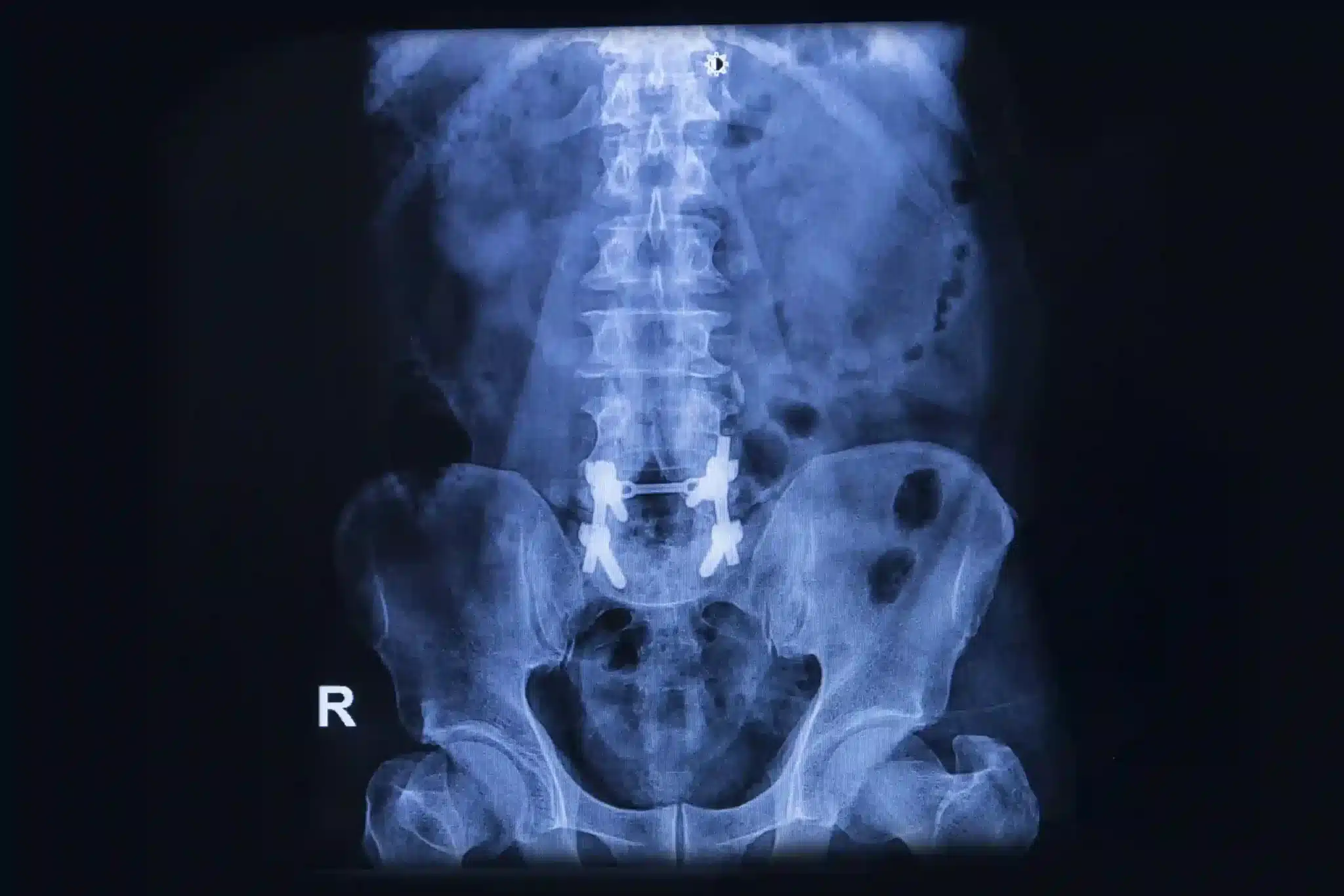
No single test is right for every patient. X-rays can show fractures and other bone problems. A CT scan may provide more detailed images of bones and discs. An MRI can help doctors examine the spinal cord and identify conditions such as herniated discs, blood clots, or masses that may compress it. Mayo Clinic’s spinal cord injury diagnosis overview explains the different roles of these tests.
The medical team—not an insurance adjuster—should determine which tests and treatment are appropriate. From a legal standpoint, a person should understand the diagnosis, prognosis, and reasonably expected future care before signing a full release. Once a claim is finally settled, it usually cannot be reopened because the condition later proves worse than expected.
No formula can value every case. Compensation depends on the injury, the person’s age and work history, the need for future care, available insurance and assets, liability evidence, and many other facts. A serious claim may include:
When the conduct was more than ordinary negligence, exemplary or punitive damages may be available under Texas law. These damages require additional proof and are not appropriate in every case.
The financial impact often continues for life. The 2026 National Spinal Cord Injury Statistical Center data sheet estimates the following direct lifetime costs for a person injured at age 25. The estimates do not include lost wages, lost benefits, or reduced productivity.
Severity of injury | Estimated direct lifetime cost at age 25 |
High tetraplegia (C1-C4), AIS A-C | $6,419,617 |
Low tetraplegia (C5-C8), AIS A-C | $4,690,573 |
Paraplegia, AIS A-C | $3,139,165 |
Motor functional at any level, AIS D | $2,144,693 |
These national estimates are not a case-value chart. An individual life-care plan should be based on the client’s actual diagnosis, age, function, living situation, medical recommendations, and expected replacement schedule for equipment and services.
In many Texas personal injury cases, Texas Civil Practice and Remedies Code Section 16.003 provides a two-year filing period. Important exceptions and shorter notice deadlines may apply, especially when a government entity is involved. Waiting can also allow video, electronic data, physical evidence, and witness memories to disappear.
Texas uses proportionate responsibility. Under Section 33.001 of the Texas Civil Practice and Remedies Code, a claimant generally cannot recover if the claimant’s responsibility is greater than 50%. When the claimant is 50% or less responsible, the recovery is generally reduced by that percentage.
Insurance companies often use blame as a negotiation tactic. We look at the physical evidence, witness testimony, company records, and applicable safety rules before accepting an adjuster’s version of what happened.
Houston is home to major hospitals and rehabilitation resources for people living with spinal cord injuries. TIRR Memorial Hermann provides inpatient and outpatient rehabilitation services for people with spinal cord injuries and other complex conditions. The right rehabilitation program depends on the individual’s medical needs, insurance, and treating team’s recommendations.
We do not direct medical care, and a link to a public resource does not imply an affiliation. Our legal role is to make sure the claim reflects the treatment and support that qualified providers believe the client will reasonably need.
A spine injury may involve the vertebrae, discs, joints, ligaments, or nerve roots. A spinal cord injury damages the cord itself and can interrupt signals between the brain and body. Both can be serious, but they are not the same diagnosis.
The value depends on the severity and completeness of the injury, future medical and attendant-care needs, lost earning capacity, pain and impairment, liability evidence, available insurance, and the client’s individual circumstances. A reliable evaluation requires medical records, a liability investigation, and an understanding of future needs.
Future costs may be evaluated through treating-provider opinions and a life-care plan. Economists can then calculate the present value of expected expenses and income losses. The analysis should include replacement cycles for equipment and changes in care needs over time.
Possibly. A prior condition does not automatically defeat a claim. The key questions are whether the accident caused a new injury or made an existing condition worse, and what evidence separates the person’s condition before and after the event.
Texas law generally permits a recovery when the claimant is not more than 50% responsible, although the damages are reduced by the claimant’s percentage of responsibility. The specific evidence determines how fault should be divided.
A complex case may take longer than a routine injury claim because the medical outlook, future-care needs, liability evidence, and insurance issues must be developed. Settling before those facts are known can place the cost of future problems on the injured person and family.
There is no upfront attorney fee. We handle accepted cases on a contingency-fee basis and are paid only if we recover compensation. The written representation agreement explains the fee and case-expense terms.
Greg personally oversees the serious cases the firm accepts. Baumgartner Law Firm limits its caseload so clients can receive direct attorney involvement rather than being passed through a high-volume system.
A spinal cord injury claim should be built around the person’s future—not an insurance company’s early estimate. If you or a family member suffered paralysis or another serious spinal cord injury in Houston or elsewhere in Texas, we are ready to listen, explain the next steps, and determine whether we can help.
Call (281) 587-1111 or contact Baumgartner Law Firm for a free consultation. There is no fee unless we recover compensation for you.
"*" indicates required fields
We will answer you within 24 hours via email, or you can call us directly for immediate help!