
The most common causes of car accidents in Houston include distracted driving, speeding, drunk driving, running red lights, failure to yield, unsafe lane changes, tailgating, driver fatigue, poor weather, and vehicle maintenance failures. The cause of a crash matters because it helps determine who was at fault, what evidence should be preserved, and how the insurance company may try to defend the claim.
If you were injured in a serious wreck, an experienced car accident lawyer at Baumgartner Law Firm can help investigate the cause, protect important evidence, and deal with the insurance company while you focus on medical care.
Why the Cause of a Houston Car Accident Matters
After a crash, many people focus only on the damaged vehicles and the police report. Those are important, but they are not the whole case. The reason the accident happened often controls the legal strategy. A texting-related crash may require phone records. A crash caused by drunk driving may involve police body camera footage, toxicology evidence, bar receipts, or punitive damages. A crash caused by an unsafe lane change may depend on vehicle damage patterns, dash camera footage, and witness statements.
The cause of the crash can affect:
- who may be legally responsible
- what evidence should be collected before it disappears
- whether a driver violated a Texas traffic law
- whether more than one person or company may share fault
- whether comparative fault may reduce compensation
- whether an insurance adjuster may try to blame the injured person
- whether punitive damages may be available in extreme cases
Texas also uses proportionate responsibility. Under Texas Civil Practice and Remedies Code Section 33.001, an injured person generally cannot recover damages if they are more than 50% responsible for the accident. That is why a careful investigation into the true cause of the crash is so important.
Houston Crash Data Shows Why These Cases Matter
Houston has some of the busiest and most dangerous roads in Texas. According to the Texas Department of Transportation, Houston recorded 66,236 total crashes in 2024, including fatal crashes, suspected serious injury crashes, suspected minor injury crashes, possible injury crashes, non-injury crashes, and unknown severity crashes. See TxDOT’s 2024 Crashes and Injuries by Cities and Towns report.
Statewide, TxDOT also reports that distracted driving remained a major safety problem. In 2025, distracted driving was responsible for 86,384 crashes on Texas roads, with 2,437 serious injuries and 299 deaths. See TxDOT’s Talk. Text. Crash. distracted driving campaign.
These numbers matter because crash causes are not abstract safety issues. They affect real people, medical treatment, lost income, insurance claims, and whether a family can recover compensation after a serious injury or wrongful death.
Common Causes of Car Accidents in Houston
Distracted Driving
Distracted driving is one of the most common causes of crashes in Houston. Texting, using GPS, checking a rideshare app, eating, reaching for an item, changing music, or looking away from traffic can be enough to cause a serious collision. On roads such as I-45, Beltway 8, Highway 290, I-10, and US-59, a few seconds of inattention can cause a rear-end crash, side-swipe collision, or chain-reaction wreck.
Texas law prohibits reading, writing, or sending electronic messages while operating a motor vehicle unless the vehicle is stopped. See Texas Transportation Code Section 545.4251. In an injury claim, evidence may include phone records, text timing, app activity, witness statements, video footage, vehicle data, and the police crash report. If texting is suspected, see our resource on how to prove texting in an accident in Houston.
Speeding and Driving Too Fast for Conditions
Speeding increases the likelihood and severity of crashes. A driver who is going too fast has less time to react, needs more distance to stop, and hits with greater force. Houston drivers often speed on freeways, frontage roads, and wide arterial roads where traffic can change quickly.
Texas requires drivers to control speed as needed under the circumstances. See Texas Transportation Code Section 545.351. NHTSA also warns that speeding is dangerous because it increases crash severity and reduces a driver’s ability to stop safely. See NHTSA’s speeding safety resource. Evidence in a speeding case may include skid marks, event data recorder information, vehicle damage, surveillance video, crash reconstruction, traffic camera footage, and witness accounts.
Drunk and Drugged Driving
Drunk and drugged driving crashes often cause devastating injuries because impaired drivers make poor decisions and react slowly. These wrecks may involve wrong-way driving, red-light running, unsafe turns, extreme speeding, or failure to brake. In Houston, impaired driving crashes are common after nightlife events, sporting events, concerts, and late-night travel.
NHTSA explains that driving while impaired by alcohol or drugs puts everyone on the road in danger. See NHTSA’s resources on drunk driving and drug-impaired driving. In a civil injury case, proof may include the police report, field sobriety testing, BAC results, toxicology records, officer observations, body camera footage, 911 calls, bar receipts, and witness statements. If the crash involved an intoxicated driver, our Houston drunk driving accident lawyer page explains additional legal issues, including punitive damages and possible dram shop claims.
Running Red Lights and Stop Signs
Drivers who run red lights or stop signs often cause high-impact intersection crashes. These wrecks are especially dangerous because the front of one vehicle may strike the side of another. T-bone crashes can cause head injuries, broken ribs, spinal injuries, internal injuries, and serious injuries to passengers.
Busy intersections in Houston and Harris County can become dangerous when drivers rush through yellow lights, roll stop signs, or fail to notice a changing signal. Important evidence may include traffic camera video, dash camera footage, nearby business surveillance, witness statements, signal timing data, vehicle damage location, and the police report. For serious intersection wrecks, see our page on intersection accident claims in Houston.
Failure to Yield the Right of Way
Failure to yield is a frequent cause of Houston crashes, especially at intersections, freeway entrance ramps, parking lot exits, private driveways, feeder roads, and left-turn lanes. These cases often lead to disputes because both drivers may claim they had the right of way.
Texas law requires a driver turning left to yield to oncoming traffic that is in the intersection or so close as to be an immediate hazard. See Texas Transportation Code Section 545.152. Evidence may include the crash report, signal phase, lane position, witness statements, road markings, dash camera footage, and vehicle damage. For more background, see our resource on what yielding the right of way means.
Unsafe Lane Changes and Blind Spot Crashes
Unsafe lane changes are common on Houston freeways, especially at merge and split points. Drivers may fail to signal, cut across several lanes, drift while distracted, or move into another vehicle’s blind spot. These crashes can cause side-swipe impacts, rollovers, motorcycle wrecks, and multi-vehicle accidents.
Texas law requires drivers to stay within a single lane as nearly as practical and not move from that lane unless the movement can be made safely. See Texas Transportation Code Section 545.060. In a lane-change case, evidence may include dash camera video, vehicle damage patterns, lane markings, witness testimony, police diagrams, and video from nearby vehicles or businesses.
Following Too Closely and Rear-End Collisions
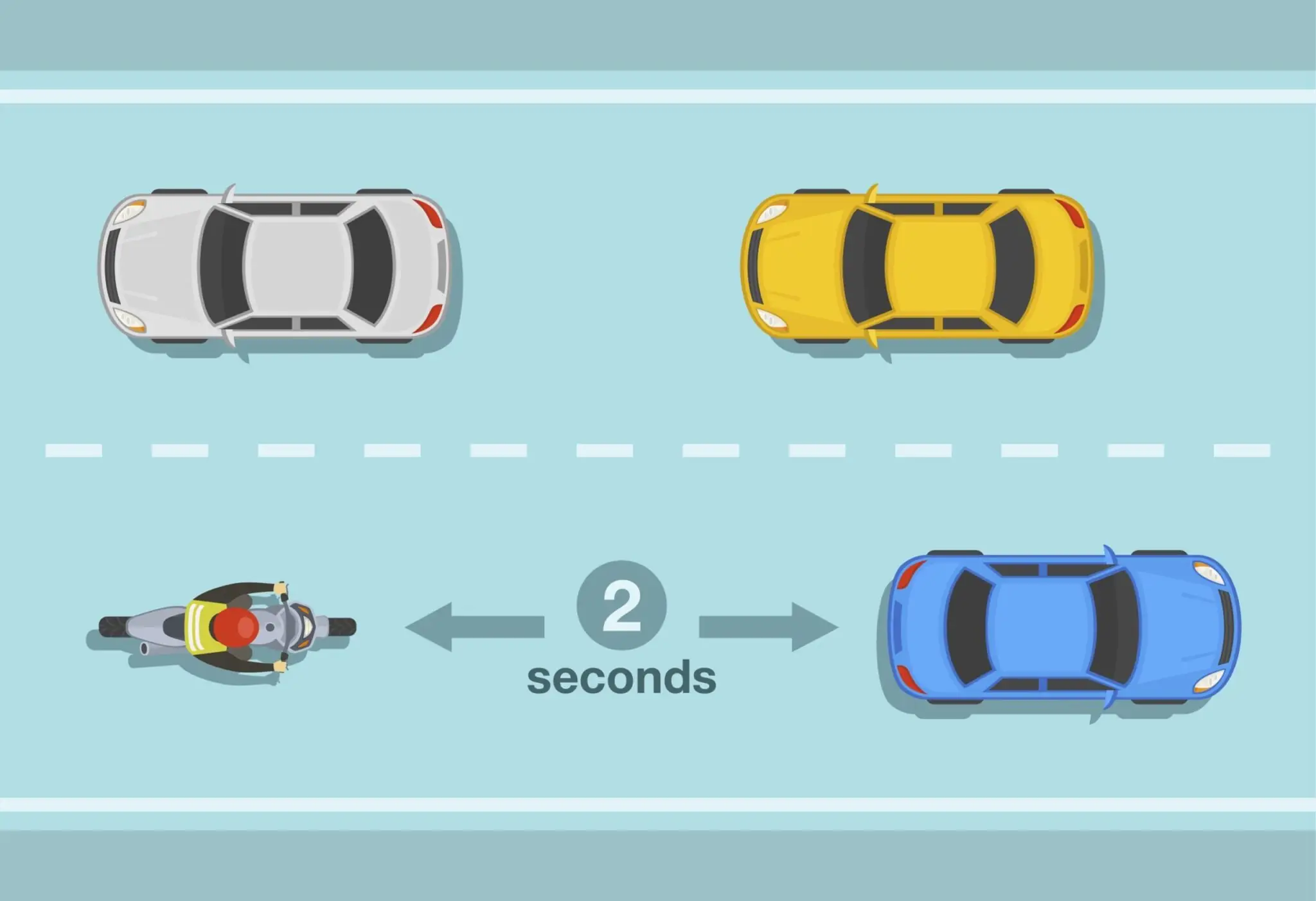
Following too closely is a major cause of rear-end collisions in Houston traffic. When drivers tailgate, they leave little room to react to sudden braking, congestion, road debris, emergency vehicles, or stop-and-go traffic. Rear-end crashes are common on I-45, I-10, Loop 610, Beltway 8, and other high-volume corridors.
A rear-end collision may seem simple, but insurance companies may still argue about sudden stops, unsafe lane changes, or pre-existing injuries. Evidence may include vehicle damage, photos of the scene, witness statements, medical records, event data recorder information, and the police report. For related guidance, see our pages on rear-end accident claims in Houston and safe distance between cars at highway speeds in Texas.
Driver Fatigue
Drowsy driving can be as dangerous as other forms of impairment. A tired driver may drift from a lane, fail to brake, miss a traffic signal, or fall asleep behind the wheel. Fatigue can affect night-shift workers, long-distance commuters, commercial drivers, medical workers, oilfield workers, and anyone driving after too little sleep.
NHTSA notes that drowsy-driving crashes are difficult to measure and are likely underreported. See NHTSA’s drowsy driving resource. In commercial vehicle cases, driver logs, electronic logging devices, dispatch records, fuel receipts, and phone data may matter. If an 18-wheeler or commercial vehicle was involved, see our Houston truck accident lawyer page.
Inexperienced Drivers
New and inexperienced drivers may struggle with Houston’s heavy traffic, high-speed freeways, confusing exits, sudden lane changes, and busy intersections. Common mistakes include misjudging the speed of oncoming traffic, failing to check blind spots, overcorrecting, following too closely, and panicking in heavy traffic.
Inexperience does not excuse negligent driving. If a new driver caused a serious crash, evidence still matters. Photos, witness statements, the crash report, driver statements, vehicle damage, and road conditions can help show what happened and why the inexperienced driver was at fault.
Poor Weather, Flooding, and Reduced Visibility
Houston weather can change quickly. Heavy rain, standing water, flash flooding, fog, and reduced visibility can make roads dangerous. Hydroplaning is common when drivers travel too fast for wet conditions or drive on worn tires. Roads near underpasses, bayous, low-lying areas, and construction zones can become hazardous during sudden Gulf Coast storms.
Weather may contribute to a crash, but it does not automatically excuse a negligent driver. Drivers still must slow down, increase following distance, use headlights when required, and adjust to conditions. The National Weather Service provides Houston climate and rainfall information through its Houston climate summaries.
Vehicle Defects and Poor Maintenance
Bad brakes, worn tires, steering problems, broken lights, defective airbags, and ignored recalls can cause or worsen Houston car accidents. Maintenance problems are especially dangerous in stop-and-go traffic, on wet roads, and at freeway speeds.
A mechanical issue does not always end the investigation. The question is whether the owner, driver, repair shop, manufacturer, or another party failed to act reasonably. Evidence may include maintenance records, inspection records, recall information, repair invoices, tire condition, brake condition, and expert inspection of the vehicle.
Dangerous Roads, Construction Zones, and Heavy Traffic
Houston’s growth means ongoing construction, lane shifts, unclear signage, uneven pavement, sudden merges, and traffic congestion. Construction zones along major corridors can confuse drivers unfamiliar with the area. Heavy traffic also increases the risk of sudden stops, impatient lane changes, and chain-reaction wrecks.
A dangerous road condition may contribute to a crash, but most injury claims still focus first on driver conduct. When road design, construction activity, missing signs, or poor maintenance may have played a role, early investigation is critical because photographs, traffic control plans, and construction records may be needed. For more local context, see our article on the deadliest highway in Texas.
Evidence That Can Help Prove What Caused the Crash
The best evidence depends on the cause of the crash. Injured people should gather what they safely can, but the most important step is to get medical care and avoid making statements that may be used against them later. If injuries are serious, a lawyer can move quickly to preserve evidence before it disappears.
|
Crash Cause |
Helpful Evidence |
Legal Issue |
|
Distracted driving |
Phone records, app data, text timing, witnesses, video, police report |
Proving inattention or illegal electronic messaging |
|
Speeding |
Vehicle damage, skid marks, EDR data, reconstruction, video, witnesses |
Showing unsafe speed or driving too fast for conditions |
|
Drunk or drugged driving |
BAC results, toxicology, body camera footage, 911 calls, bar receipts, witnesses |
Impairment, punitive damages, and possible third-party liability |
|
Failure to yield |
Signal timing, lane position, witnesses, crash report, vehicle damage, camera footage |
Right-of-way disputes and comparative fault |
|
Unsafe lane change |
Dash cam footage, damage location, lane markings, witness testimony, police diagram |
Improper movement from a lane |
|
Rear-end collision |
Photos, vehicle damage, EDR data, traffic conditions, witness statements, and medical records |
Following too closely, distraction, or sudden-stop disputes |
|
Driver fatigue |
Work schedule, logs, ELD data, dispatch records, phone data, witness observations |
Delayed reaction, falling asleep, or unsafe commercial driving |
|
Bad weather |
Scene photos, weather reports, tire condition, speed evidence, witness statements |
Whether the driver adjusted to the road conditions |
What Insurance Companies May Dispute After a Houston Crash
Insurance adjusters may sound helpful at first, but their job is to protect the insurance company. Even when another driver caused the wreck, the adjuster may dispute fault, argue that your injuries were not caused by the crash, claim you were partly responsible, or pressure you into a quick settlement before the full medical picture is known.
Common insurance arguments include:
- The injured person stopped too suddenly
- The injured person was also distracted
- The impact was not strong enough to cause the claimed injuries
- The injuries were pre-existing
- Medical treatment was delayed or excessive
- There is not enough proof that the other driver was texting, speeding, or impaired
- The injured person could have avoided the crash
These arguments are why evidence matters. A strong injury claim connects the cause of the crash to the injuries, medical treatment, lost income, pain, future care, and other damages.
What to Do After a Crash Caused by Another Driver
After a Houston car accident, take practical steps to protect your health and your claim:
- Call 911 and report the crash.
- Get medical care as soon as possible.
- Take photos and video if you can safely do so.
- Get witness names and phone numbers.
- Do not admit fault or guess about what happened.
- Avoid giving a recorded statement to the other driver’s insurer before getting legal advice.
- Save damaged property, repair estimates, medical records, bills, and wage loss information.
For a more detailed checklist, see our guide on what to do after a car accident in Houston.
When to Contact a Houston Car Accident Lawyer
You may not need a lawyer for every minor fender bender. But if you were hurt, if fault is disputed, if the crash involved a drunk driver, commercial vehicle, uninsured driver, serious injury, or death, legal help can make a major difference.
Baumgartner Law Firm helps seriously injured people and families after major Houston car accidents. We investigate the cause of the crash, preserve evidence, identify all insurance coverage, deal with the insurance company, and prepare the case for settlement or trial.
If you were injured in a Houston crash caused by another driver, contact our Houston car accident lawyer for a free consultation. There is no fee unless we recover compensation for you.
Frequently Asked Questions About Houston Car Accident Causes
What is the most common cause of car accidents in Houston?
Distracted driving, speeding, failure to yield, drunk driving, unsafe lane changes, and following too closely are among the most common causes of Houston car accidents. The exact cause depends on the facts, location, road conditions, and available evidence.
Why does the cause of a car accident matter in a Texas injury claim?
The cause matters because it helps determine fault, evidence, insurance liability, and damages. It may also affect whether the insurance company tries to blame the injured person under Texas comparative fault rules.
Can I recover compensation if I was partly at fault?
Yes, you may still recover compensation in Texas if you are not more than 50% responsible for the crash. Your recovery can be reduced by your percentage of fault.
What evidence helps prove another driver caused my accident?
Helpful evidence may include the crash report, scene photos, video, witness statements, medical records, vehicle damage, phone records, event data recorder information, traffic signal data, and expert analysis.
Should I talk to the insurance adjuster after a crash?
You should report the crash to your own insurance company as required by your policy, but be careful with recorded statements to the other driver’s insurance company. Adjusters may use your words to dispute fault or reduce the value of your claim.
When should I call a lawyer after a Houston car accident?
Call a lawyer as soon as possible if you were injured, fault is disputed, the other driver was drunk or uninsured, a commercial vehicle was involved, or the insurance company is pressuring you to settle.
Contact Baumgartner Law Firm for Help with an Injury Accident.
If you or a loved one has been injured in a Houston car accident, speak with an experienced Houston car accident lawyer to understand your legal rights and pursue the compensation you deserve.
Contact the Houston personal injury law firm of Baumgartner Law Firm at (281) 587-1111.
Baumgartner Law Firm
6711 Cypress Creek Pkwy
Houston, TX, 77069