After a car accident, workplace injury, or any other incident in Houston, you may receive a call from an insurance adjuster asking for a recorded statement. The adjuster may sound friendly and helpful, but their goal is to protect the insurance company’s bottom line, not your rights.
Giving a recorded statement without understanding your right to refuse can seriously harm your claim. Insurance companies use these statements to find inconsistencies, minimize your injuries, or shift blame onto you. Once your words are recorded, they become part of the permanent record and can be used against you during settlement negotiations or at trial.
This guide explains when you should refuse to give a recorded statement after an accident in Houston, what to say if you are contacted by an insurance adjuster, and how to protect your rights throughout the claims process. Whether you were injured in a car crash, truck accident, slip-and-fall, or any other incident caused by negligence, understanding how to handle recorded-statement requests is essential to maximizing your recovery.
Knowing what to say and when to stay silent can make the difference between a fair settlement and a denied claim. The stakes are too high to make a mistake.
Key Takeaways
- Insurance adjusters often ask you to give recorded statements shortly after an accident to gather information they can use to minimize or deny your claim.
- You are generally not required to give a recorded statement to the at-fault party’s insurance company, and doing so can harm your case.
- You may be required to cooperate with your own insurance company, but you should consult with a Houston personal injury lawyer before giving any recorded statement.
- Insurance companies use recorded statements to find inconsistencies, downplay injuries, establish comparative fault, and pressure you into early settlements.
- Politely declining to give a recorded statement and referring the adjuster to your attorney protects your rights and prevents costly mistakes.
- What you say in the hours and days after an accident can be used against you, even in casual conversations with adjusters.
- Early consultation with an experienced Houston personal injury attorney ensures you do not say anything that could jeopardize your claim.
Understanding Recorded Statements After a Houston Car Accident
A recorded statement is a formal interview conducted by an insurance adjuster, usually over the phone, in which you answer questions about the accident, your injuries, and the circumstances surrounding the incident. The adjuster records the conversation and may later use your words as evidence to undermine your claim.
Insurance companies request recorded statements for several reasons. They claim they need your version of events to process the claim, but the real purpose is often to gather information that benefits the insurer. Adjusters are trained to ask leading questions, identify inconsistencies, and get you to say things that can be used against you.
Even innocent statements can be twisted or taken out of context. For example, if you say you are feeling okay or that you are not sure how the accident happened, the adjuster may use that to argue that your injuries are not serious or that you were partly at fault.
Insurance companies know that accident victims are often in pain, stressed, and unfamiliar with the claims process. They take advantage of this vulnerability by requesting recorded statements before you have had a chance to consult with a lawyer or fully understand the extent of your injuries.
Why Insurance Adjusters Request Recorded Statements in Texas
Insurance adjusters use recorded statements as a tool to protect the insurance company’s financial interests. While they may claim they need your statement to process your claim quickly, the real goal is to gather evidence that can be used to minimize your compensation or deny your claim entirely.
Adjusters know that accident victims are often confused, in pain, and eager to resolve their claims. By requesting a recorded statement early in the process, they hope to lock you into a version of events before you have consulted with a Houston personal injury lawyer or fully understood the extent of your injuries.
How Recorded Statements Differ from Written Statements in Personal Injury Claims
Insurance adjusters may also request a written statement instead of a recorded one. While written statements may seem less intimidating, they carry the same risks as giving a recorded statement to an insurance company.
A written statement allows you more time to think about your answers and review what you have written before submitting it. However, anything you put in writing can still be used against you, and adjusters will scrutinize your written statement just as carefully as a recorded one.
If you are asked to provide a written statement, you should consult with a Houston personal injury lawyer before responding. Your attorney can help you draft a statement that protects your rights and avoids common pitfalls.
In most cases, it is best to decline both recorded and written statements to the at-fault party’s insurance company and let your lawyer handle all communications.
When You Are Legally Required to Give a Recorded Statement in Houston, Texas
In most cases, you are not legally required to give a recorded statement to the at-fault party’s insurance company. You have the right to decline and refer the adjuster to your attorney.
However, your own insurance policy may require you to cooperate with your insurer as part of the claims process. This can include providing a recorded statement if you are filing a claim under your own policy, such as for uninsured motorist coverage, underinsured motorist coverage, or personal injury protection (PIP) benefits.
Even when you are required to cooperate with your own insurance company, you should consult with a Houston personal injury lawyer before giving a recorded statement. Your attorney can help you prepare, ensure you understand your rights, and protect you from saying anything that could harm your claim.
Failing to cooperate with your own insurer when required by your policy can result in a denial of coverage, so it is important to understand your obligations and get legal guidance before proceeding.
Texas Insurance Law and Your Duty to Cooperate with Your Own Insurer
Texas insurance law requires policyholders to cooperate with their own insurance companies when filing a claim. This duty to cooperate is typically outlined in your insurance policy and may include providing recorded statements, submitting to medical examinations, and providing documentation related to your claim.
However, cooperation does not mean you should give a statement without preparation or legal guidance. A Houston personal injury attorney can help you understand what your policy requires and ensure you fulfill your obligations without jeopardizing your claim.
When the At-Fault Driver’s Insurance Company Requests a Recorded Statement
You are not legally required to give a recorded statement to the at-fault driver’s insurance company, and you have the right to refuse. This is a third-party insurer, and you have no contractual obligation to cooperate with them beyond providing basic information about the accident.
Politely declining to give a recorded statement to the other driver’s insurance company is almost always the right decision. Refer the adjuster to your Houston personal injury lawyer and let your attorney handle all communications.

When You Should Refuse to Give a Recorded Statement After an Accident
You should refuse to give a recorded statement to the at-fault party’s insurance company in almost all situations. There is no legal requirement to speak with the other driver’s insurer, and doing so can only hurt your case.
Before You Have Consulted with a Houston Personal Injury Lawyer
Do not give a recorded statement before speaking with a Houston personal injury attorney. Your lawyer can advise you on what to say, what to avoid, and whether giving a statement is in your best interest.
Insurance adjusters are trained professionals who know how to ask questions that elicit responses favorable to the insurance company. Without legal guidance, you are at a significant disadvantage.
Before You Fully Understand the Extent of Your Injuries
Many injuries, including whiplash, concussions, soft tissue damage, and internal injuries, do not show symptoms immediately. If you give a recorded statement before you have been fully evaluated by a doctor, you may downplay your injuries or fail to mention symptoms that develop later.
The insurance company will use your early statement to argue that your injuries are not serious or are unrelated to the accident. This can significantly reduce the value of your claim or result in a denial.
If You Are Still in Pain or Taking Medication After the Accident
Pain, stress, and medication can affect your ability to think clearly and communicate accurately. If you are still recovering from the accident or taking pain medication, you should not give a recorded statement.
Wait until you are in a better physical and mental state and have consulted with an attorney. Your health and your claim are both too important to risk making mistakes during a recorded statement.
If the Insurance Adjuster Is Pressuring You for a Quick Statement
Insurance adjusters may use high-pressure tactics to get you to give a recorded statement quickly. They may claim that you are required to provide a statement, that your claim will be delayed if you do not cooperate, or that refusing to give a statement will hurt your case.
These are scare tactics designed to take advantage of your lack of legal knowledge. You have the right to decline and seek legal advice first. A reputable Houston personal injury lawyer will protect you from these pressure tactics.
If You Are Unsure About the Facts of the Car Accident
If you do not remember all the details of the accident or are unsure about what happened, do not guess or speculate during a recorded statement. Inconsistencies or inaccurate information can be used to discredit your claim.
It is better to decline the statement and gather all the facts before speaking with the adjuster. Your attorney can help you review the evidence, including police reports, witness statements, and surveillance footage, before you provide any information to the insurance company.
What Insurance Adjusters Are Looking for in Recorded Statements
Insurance adjusters are trained to ask questions that elicit responses favorable to the insurance company. Understanding what they are looking for can help you see why recorded statements are so risky.
Finding Inconsistencies in Your Account of the Accident
Adjusters will compare your recorded statement to the police report, witness statements, and any other accounts of the accident. If there are any inconsistencies, even minor ones, they will use them to argue that you are not credible or that your version of events is unreliable.
Memory can be affected by trauma, stress, and the passage of time. Small differences in your account do not mean you are lying, but insurance companies will use any inconsistency to their advantage.
Establishing Comparative Fault Under Texas Law
Texas follows a modified comparative fault rule, meaning your compensation can be reduced if you are partly at fault for the accident. Adjusters will ask leading questions designed to get you to admit some degree of fault, such as “Were you distracted?” or “Could you have done anything differently to avoid the accident?”
Even a small admission of fault can significantly reduce your compensation. If you are found more than 50 percent at fault, you cannot recover damages at all under Texas law.
Downplaying the Severity of Your Personal Injuries
Adjusters may ask how you are feeling or whether you are able to work or perform daily activities. If you say you are doing okay or that you are managing, they will use that to argue that your injuries are not serious and that you do not deserve significant compensation.
Many injury victims try to stay positive or do not want to complain, but these natural responses can be used against you in a recorded statement.
Identifying Pre-Existing Medical Conditions to Reduce Your Claim
Adjusters will ask about your medical history and any prior injuries or conditions. They will use this information to argue that your current injuries are not related to the accident or that they are the result of a pre-existing condition.
While pre-existing conditions do not prevent you from recovering compensation, insurance companies will use them to minimize the value of your claim. Your Houston personal injury attorney can help you address pre-existing condition arguments and prove that the accident aggravated or worsened your condition.
Getting You to Estimate the Value of Your Injury Claim
Adjusters may ask you to estimate your medical expenses, lost wages, or the value of your claim. If you provide a number that is too low, the insurance company may use that as a ceiling for settlement negotiations.
You should never estimate the value of your claim without consulting a Houston personal injury lawyer. Your attorney can calculate the full value of your damages, including future medical expenses, lost earning capacity, pain and suffering, and other losses.
What to Say If an Insurance Adjuster Contacts You After a Houston Accident
If an insurance adjuster contacts you after an accident in Houston, you should be polite but cautious. Here is what to say and what not to say.
Providing Basic Information Without Harming Your Claim
You can provide basic identifying information, such as your name, address, and phone number. You can also confirm that you were involved in an accident on a specific date and location.
Beyond these basic facts, you should be very careful about what you say in any recorded statement to an insurance company. Do not provide detailed information about how the accident happened, who was at fault, or the extent of your injuries.
Politely Declining to Give a Recorded Statement
A simple response might be: “I appreciate your call, but I am not comfortable giving a recorded statement at this time. I am still receiving medical treatment and plan to consult with an attorney. Please direct any further questions to my lawyer once I have retained one.”
This response is polite, professional, and protects your rights. You are not being uncooperative or difficult. You are simply exercising your right to seek legal advice before making statements that could affect your claim.
Referring the Adjuster to Your Houston Personal Injury Attorney
Once you have hired a Houston personal injury lawyer, all communications with insurance adjusters should go through your attorney. Inform the adjuster that you are represented by counsel and provide your lawyer’s contact information.
Your attorney will handle all communications with the insurance company, protecting you from pressure tactics, leading questions, and recorded statement requests.
How Insurance Companies Use Recorded Statements Against Injury Victims
Insurance companies are skilled at using recorded statements to minimize or deny claims. Here are some of the tactics they use to minimize your insurance claims.
Taking Your Statements Out of Context to Deny Your Claim
Adjusters may isolate specific phrases or sentences from your statement and use them out of context to support their position. For example, if you say you did not see the other car until the last second, they may argue that you were not paying attention.
Context matters, but insurance companies will ignore context if it helps them reduce your compensation.
Highlighting Minor Inconsistencies to Attack Your Credibility
Even small differences between your recorded statement and other evidence can be used to attack your credibility. If you say the light was green in your statement but a witness says it was yellow, the adjuster will use that inconsistency to argue that your account is unreliable.
These inconsistencies often result from stress, trauma, or the passage of time, but insurance companies will use them to their advantage.
Using Your Words to Establish Comparative Fault in Texas
Adjusters will ask questions designed to get you to admit some degree of fault. If you say you could have braked sooner or that you were adjusting the radio, they will use that to argue that you share responsibility for the accident and reduce your compensation accordingly.
Under Texas comparative fault law, even a small percentage of fault can significantly reduce your recovery.
Minimizing Your Injuries to Reduce Settlement Value
If you say you are feeling better or that you are able to do certain activities, the adjuster will use that to argue that your injuries are not serious and that you do not need extensive medical treatment or compensation.
Insurance companies want to settle claims for as little as possible. Downplaying your injuries gives them the ammunition they need to make a lowball offer.
Locking You Into an Early Version of Events Before Full Investigation
Recorded statements are given shortly after the accident, often before you have had time to fully process what happened or consult with witnesses and experts, which is why you should contact us today. Once you give a statement, you are locked into that version of events, even if you later remember additional details or discover new evidence.
This is one of the main reasons why you should never give a recorded statement without consulting a Houston personal injury lawyer first.
Insurance Adjuster Tactics vs. Smart Responses
| Insurance Adjuster Tactic | Smart Response |
| Requesting a recorded statement immediately after the accident | Politely decline and state that you will consult with an attorney before giving any statement. |
| Claiming you are required to give a statement | Clarify that you are not legally required to speak with the at-fault party’s insurer and refer them to your lawyer. |
| Asking how you are feeling or whether you are injured | State that you are still receiving medical treatment and are not ready to discuss your injuries. |
| Asking leading questions to establish fault | Avoid speculating or admitting fault. Stick to basic facts and decline to answer questions you are unsure about. |
| Pressuring you to settle quickly | Do not accept any settlement offers without consulting a Houston personal injury attorney. |
| Requesting access to your medical records | Do not sign broad medical authorizations. Your attorney can provide relevant records while protecting your privacy. |
What to Do Immediately After an Accident in Houston to Protect Your Rights
Taking the right steps after an accident can protect your health, your safety, and your legal rights.
Seek Medical Attention for Your Injuries Right Away
Your health is the top priority. Even if you feel fine, get evaluated by a doctor. Some injuries do not show symptoms right away, and delayed treatment can harm both your recovery and your claim.
Medical records also serve as critical evidence in your personal injury case. If you delay treatment, the insurance company will argue that your injuries are not serious or are unrelated to the accident.
Report the Accident to the Police and Your Insurance Company
Call the police and file a report. If the accident occurred at work, notify your employer. If it happened on someone else’s property, report it to the property owner or manager.
You should also notify your own insurance company about the accident, but provide only basic information. Do not give a detailed recorded statement without consulting an attorney first.
Document the Accident Scene and Gather Evidence
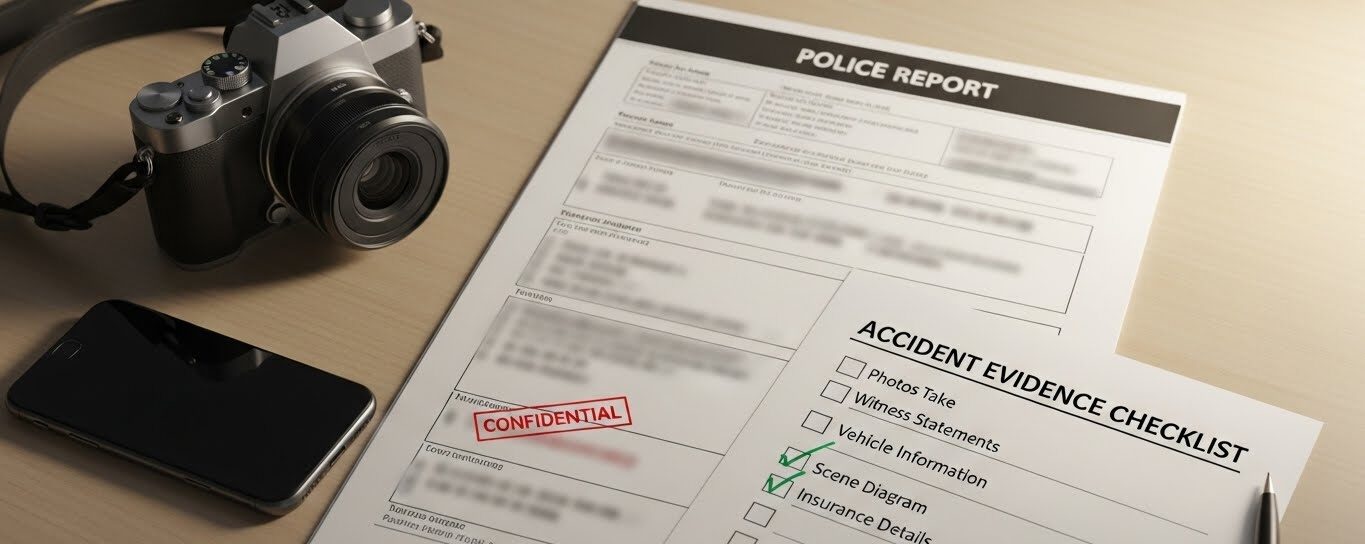
Take photos of the accident scene, vehicle damage, hazardous conditions, and visible injuries. Collect contact information from witnesses. If possible, obtain a copy of the police report.
This evidence will be critical in proving your claim and countering any arguments the insurance company makes about fault or the severity of your injuries.
Avoid Admitting Fault or Apologizing at the Scene
Do not admit fault or apologize for anything, even if you think you may have contributed to the accident. Stick to the facts when speaking with police and other parties.
Apologies and admissions of fault can be used against you during the claims process, even if you were not actually at fault.
Do Not Post About the Accident on Social Media
Avoid posting about the accident or your injuries on social media. Insurance companies monitor social media accounts and will use your posts against you.
Even innocent posts, such as photos of you smiling or participating in activities, can be used to argue that your injuries are not serious.
Consult with a Houston Personal Injury Lawyer Before Giving Any Statements
Early legal help protects your rights, preserves evidence, and ensures you do not make mistakes that could harm your claim. A Houston personal injury attorney can advise you on what to say, what to avoid, and how to handle communications with insurance adjusters.
How a Houston Personal Injury Lawyer Protects You from Recorded Statement Traps
An experienced Houston personal injury lawyer can shield you from the tactics insurance companies use to minimize your claim.
Handling All Communications with Insurance Adjusters
Once you hire an attorney, all communications with insurance adjusters go through your lawyer. This protects you from pressure tactics, leading questions, and requests for recorded statements.
Your attorney will provide the insurance company with the information they need while protecting your rights and ensuring nothing you say can be used against you.
Preparing You for Required Statements to Your Own Insurer
If you are required to give a recorded statement to your own insurance company, your attorney will prepare you in advance. Your lawyer will review the types of questions you may be asked, help you understand what to say and what to avoid, and ensure you do not inadvertently harm your claim.
With proper preparation, you can fulfill your duty to cooperate with your insurer without jeopardizing your recovery.
Reviewing and Correcting Inaccurate Recorded Statements
If a recorded statement has already been given, your attorney can review the transcript, identify any inaccuracies or harmful statements, and work to correct the record.
While you cannot take back what you said, an experienced attorney can build a strong case using other evidence and counter the tactics the insurance company may use.
Building a Strong Personal Injury Case with Evidence and Expert Testimony
Your attorney will first gather evidence, interview witnesses, consult with experts, and build a compelling case that does not rely on your recorded statement. This reduces the impact of any statements you may have already given and strengthens your position in negotiations or at trial.
Evidence such as police reports, medical records, accident reconstruction analysis, and expert testimony can prove your claim and counter the insurance company’s arguments.
Negotiating Fair Settlements with Houston Insurance Companies
An experienced attorney knows how to counter the tactics insurance companies use and can negotiate effectively to secure a fair settlement that reflects the true value of your injuries and losses.
Insurance companies are more likely to make reasonable offers when they know you are represented by a skilled Houston personal injury lawyer who is prepared to take your case to trial if necessary.
Texas Personal Injury Law and Recorded Statements
Understanding the basics of Texas personal injury law helps you protect your rights and make informed decisions.
Two-Year Statute of Limitations for Personal Injury Claims in Texas
In Texas, you generally have two years from the date of the accident to file a personal injury lawsuit. Missing this deadline usually means you lose your right to seek compensation.
This is why it is so important to consult with a Houston personal injury attorney as soon as possible after an accident. Your lawyer can ensure all deadlines are met and all procedural requirements are followed.
Texas Comparative Fault and How It Affects Your Claim
Texas follows a modified comparative fault rule. If you are partly at fault for the accident, your compensation may be reduced by your percentage of fault. If you are found more than 50 percent at fault, you cannot recover damages.
This is why it is so important to avoid admitting fault or making statements that could be used to establish comparative negligence. Insurance adjusters will use recorded statements to argue that you share responsibility for the accident and undermine your case.
Your Duty to Cooperate with Your Own Insurance Company Under Texas Law
Your insurance policy may require you to cooperate with your insurer, including providing recorded statements, submitting to medical examinations, and providing documentation. Failing to cooperate can result in a denial of coverage.
However, you should always consult with an attorney first before giving a recorded statement, even to your own insurance company. Your lawyer can help you fulfill your obligations without harming your claim.
No Legal Requirement to Speak with the At-Fault Party’s Insurer
You are not legally required to give a recorded statement to the at-fault party’s insurance company. You have the right to decline and refer the adjuster to your attorney.
This is one of the most important rights you have after an accident, and you should exercise it to protect your claim.
What to Say vs. What Not to Say to Insurance Adjusters
| What to Say | What Not to Say |
| “I was involved in an accident on 2026 at [location].” | “I think I might have been going a little too fast.” |
| “I am still receiving medical treatment and evaluating my injuries.” | “I feel fine” or “It’s just a little soreness.” |
| “I am not comfortable giving a recorded statement at this time.” | Detailed descriptions of how the accident happened or who was at fault. |
| “Please direct all further questions to my attorney.” | “I’m sorry” or any statement that could be interpreted as an admission of fault. |
| “I will provide the information you need through my lawyer.” | Speculation or guesses about facts you do not remember clearly. |
Common Mistakes Houston Accident Victims Make with Recorded Statements
Understanding common mistakes can help you avoid them and protect your claim.
Giving a Recorded Statement Before Consulting a Lawyer
This is the most common and most damaging mistake. Without legal guidance, you are at a significant disadvantage when dealing with trained insurance adjusters.
Admitting Fault or Apologizing for the Accident
Even innocent apologies can be used against you. Stick to the facts and avoid making any statements about who was at fault.
Downplaying Your Injuries or Saying You Feel Fine
Many injury victims try to stay positive or do not want to complain, but these natural responses can be used to minimize their claim.
Speculating or Guessing About Facts You Do Not Remember
If you do not remember something, say so. Do not guess or speculate, as inconsistencies can be used to attack your credibility.
Providing Detailed Descriptions of the Accident Without Legal Advice
The more you say, the more ammunition you give the insurance company. Provide only basic information and refer the adjuster to your attorney for details.
Agreeing to Give a Statement Before Fully Understanding Your Injuries
Many injuries do not show symptoms immediately. Wait until you have been fully evaluated by a doctor before giving any statement about your injuries.
Conclusion
Recorded statements are one of the most common tactics insurance companies use to minimize or deny claims after an accident in Houston. Understanding when to refuse a recorded statement and what to say if an adjuster contacts you is essential to protecting your rights and maximizing your recovery.
You are generally not required to give a recorded statement to the at-fault party’s insurance company, and doing so can seriously harm your case. Even when you are required to cooperate with your own insurer, you should consult with a Houston personal injury lawyer before giving any statement.
Insurance adjusters are trained to ask leading questions, identify inconsistencies, and use your words against you. Politely declining to give a recorded statement and referring the adjuster to your attorney is the safest approach. If you or a loved one has been injured in an accident in Houston, Texas, do not wait to get legal help.
Early consultation with an experienced personal injury attorney protects your claim, preserves evidence, and ensures you do not make costly mistakes that could jeopardize your recovery.
Frequently Asked Questions
Do I have to give a recorded statement to the insurance company after an accident in Houston?
You are generally not required to give a recorded statement to the at-fault party’s insurance company. You have the right to decline and refer the adjuster to your attorney. However, your own insurance policy may require you to cooperate with your insurer, including providing a recorded statement if you are filing a claim under your own policy. You should consult with a Houston personal injury lawyer before giving any recorded statement, even to your own insurance company.
What should I say if an insurance adjuster calls me after a car accident?
Provide only basic identifying information, such as your name, address, and the date and location of the accident. Politely decline to give a recorded statement and state that you are still receiving medical treatment and plan to consult with an attorney. Refer the adjuster to your lawyer once you have retained one. Do not provide detailed information about the accident, your injuries, or who was at fault.
Can my recorded statement be used against me in a personal injury lawsuit?
Yes. Anything you say in a recorded statement can be used as evidence during settlement negotiations or at trial. Insurance companies use recorded statements to find inconsistencies, establish comparative fault, downplay injuries, and minimize payouts. This is why it is so important to consult with a lawyer before giving any statement.
What if I already gave a recorded statement to the insurance company in Houston?
If you have already given a recorded statement, contact a Houston personal injury attorney as soon as possible. Your lawyer can review the transcript, identify any inaccuracies or harmful statements, and work to minimize the impact on your claim. While you cannot take back what you said, an experienced attorney can build a strong case using other evidence and counter the tactics the insurance company may use.
Can I refuse to give a recorded statement to my own insurance company in Texas?
Your insurance policy may require you to cooperate with your insurer, including providing a recorded statement. Failing to cooperate can result in a denial of coverage. However, you should consult with a Houston personal injury lawyer before giving a statement to ensure you understand your rights and do not say anything that could harm your claim.
How can a Houston personal injury lawyer help me with recorded statements?
A personal injury lawyer can handle all communications with insurance adjusters, protecting you from pressure tactics and recorded statement requests. If you are required to give a statement to your own insurer, your attorney can prepare you in advance, review the types of questions you may be asked, and ensure you do not inadvertently harm your claim. Your lawyer can also build a strong case using other evidence, reducing the impact of any statements you may have already given.
What are common mistakes people make when giving recorded statements after accidents?
Common mistakes include admitting fault or apologizing, downplaying injuries or saying you feel fine, speculating or guessing about facts you do not remember, providing detailed descriptions of the accident before consulting a lawyer, and agreeing to give a statement before fully understanding your injuries. These mistakes can be used by insurance companies to minimize or deny your claim.
How long after an accident will the insurance company contact me for a recorded statement?
Insurance adjusters often contact accident victims within hours or days of the incident, hoping to get a recorded statement before you have had a chance to consult with a lawyer or fully understand your injuries. Do not feel pressured to give a statement immediately. You have the right to take your time, seek medical treatment, and consult with a Houston personal injury attorney before responding.
https://maps.app.goo.gl/obCAeSeVjB4SZdkc9
Contact The Auto Accident Attorneys in Houston at Baumgartner Law Firm for Help!
Baumgartner Law Firm
6711 Cypress Creek Pkwy, Houston, TX, 77069
(281) 587-1111