
Houston Highway Accidents: Pileups, Merging and Proof of Fault
A Houston freeway crash can unfold faster than anyone can explain it. One car changes lanes, another brakes, and a third vehicle strikes the line of traffic. By the time everyone stops, drivers may disagree about who started the chain reaction.
Greg Baumgartner’s advice is simple: do not accept a quick fault decision in a multi-car crash without looking at the sequence of impacts. The vehicle that hit you may not be the vehicle that created the danger.
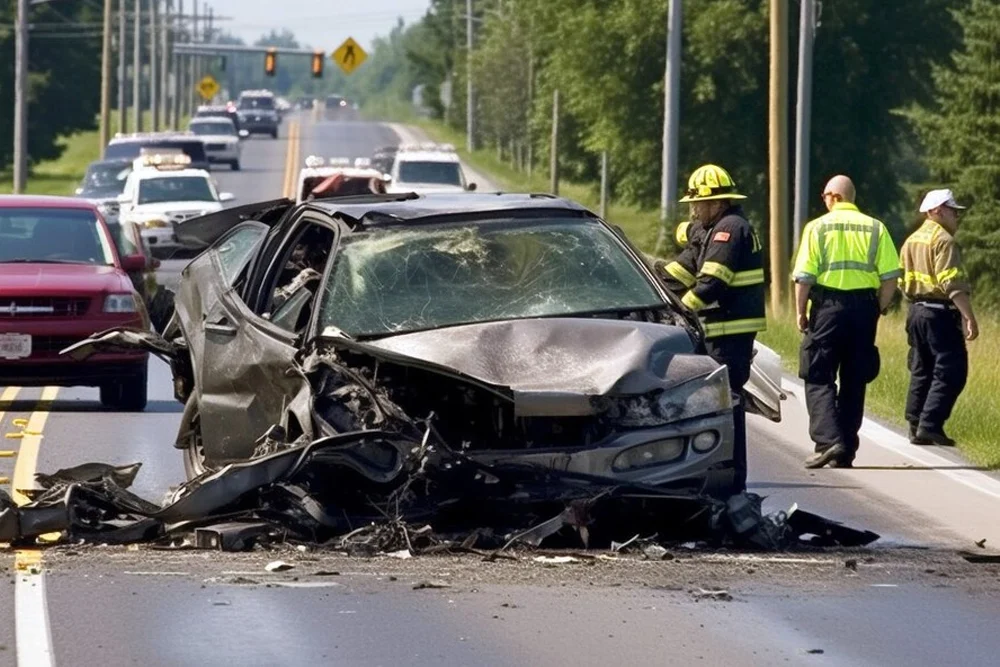
Why highway collisions are harder to investigate
I-45, I-10, I-69, US-290, Loop 610, and Beltway 8 combine heavy traffic, merging vehicles, construction, and fast-changing speeds. Drivers may be several lanes apart when a dangerous move begins. Witnesses often leave the scene before police reach them.
Highway cases are not all high-speed cases. Stop-and-go traffic can produce serious rear-end injuries and multi-car pileups. The investigation must match the type of crash.
Four freeway crash patterns that change the evidence
Unsafe lane changes and merges
The key issues include lane position, signal use, blind spots, and whether the lane change could be made safely. Video, lane markings, and the location of contact damage can help. Texas law addresses safe lane movements in Transportation Code Chapter 545.
Chain-reaction rear-end crashes
An impact from behind does not automatically answer who caused the first collision. We look at the order of impacts, speed, spacing, and whether a vehicle was pushed into the next car. Our rear-end crash discussion goes deeper on following distance and disputed fault.
Sudden slowdowns and stopped traffic
Traffic may stop because of construction, a disabled vehicle, or a crash farther ahead. The question is whether each driver kept a safe lookout and controlled speed for the conditions. A posted limit does not make every speed safe in heavy traffic.
Commercial traffic and large trucks
A collision involving a passenger car and a tractor-trailer can raise additional issues about driver records, company practices, and federal trucking rules. Those issues belong in our separate Houston truck accident practice.
How Greg investigates the order of impacts
A police diagram may show where vehicles stopped, but it may not show every step that brought them there. We may examine:
- Damage patterns on each car to identify separate impacts and likely directions of force.
- Dashcams, nearby cameras, and witness accounts to build a reliable timeline.
- Event Data Recorder information where the vehicles support it and preservation is appropriate.
- Tire marks, debris, lane markings, work-zone signs, and the positions of vehicles.
- Driver statements and insurance accounts for inconsistencies about the order of events.
Do not let a multi-vehicle crash become a contest of competing stories. Physical evidence can support or contradict what drivers remember.
What should you do after a Houston highway pileup?
Get medical attention first. If the vehicles and scene can be approached safely, preserve photographs and witness details. Never stand in an active lane or risk another collision to obtain evidence.
Record each car’s position and damage if it is safe to do so. Keep tow records, insurer notices, and the report number. You can review TxDOT crash-report resources and the agency’s crash-data information.
What if more than one driver was negligent?
More than one driver can contribute to a pileup. Texas uses proportionate responsibility rules, so the facts about each driver’s conduct can matter. Fault may not be settled by which insurer speaks first. We focus on documenting each impact before drawing conclusions.
Serious highway injuries deserve a careful medical review
A violent lane-change collision or pileup can lead to fractures, head injuries, spinal problems, and long rehabilitation. We look at what the medical records show and whether future treatment or work limits are likely. When cognition or memory is affected, the firm’s brain injury information may help families understand the legal issues.
How Baumgartner Law Firm handles complex freeway crashes
Greg Baumgartner has represented injured Texans since 1985. Because the firm selects only a limited number of serious cases, Greg can stay involved in evidence preservation, case decisions, and trial preparation when needed.
If you were hurt in a freeway pileup or unsafe merge, learn more about car accident representation in Houston or call (281) 587-1111. Consultations are free, and there is no attorney fee unless the firm recovers money for you.
Insurance companies are notorious for minimizing payouts and denying claims. They may pressure you to accept a low settlement or deny your claim. A Houston highway crash attorney can handle all communication and negotiations with insurance companies for you. We will fight for your rights and ensure insurance companies don’t take advantage of you. If necessary, we can take your case to court to get the compensation you deserve. If the other driver didn’t have insurance or didn’t have enough, check out our uninsured motorist claim page.
Frequently asked questions
Is the last driver in a pileup always at fault?
No. Responsibility depends on the sequence of impacts and the conduct of each driver. Several drivers may share responsibility.
Can I bring a claim if another car pushed the vehicle into mine?
Possibly. Investigators must identify which drivers caused each impact and assess their legal responsibility and available coverage.
Can highway camera video prove what happened?
Sometimes, but coverage, recording, and retention vary. Dashcams and nearby private cameras may be more useful. Ask about preservation promptly.
Auto Accident Resources
Learn more from our Houston car accident lawyer about the types of crashes we handle and what to do after an auto accident.
Types of Car Accident Claims
- Rear-End Accident
- Chain-Reaction Accident
- T-Bone Accident
- Head-On Collision
- Intersection Accident
- U-Turn Accident
- Distracted Driving Accident
- Speeding Accident
- Hit and Run Accident
- Drunk Driving Accident
- Rideshare Accident
- Company Vehicle Accident
- Uninsured Motorist Claim
- Passenger Injury Claim
After a Car Accident
For a FREE Consultation Contact Us Today
"*" indicates required fields
Related Links
Our Experienced Personal Injury Lawyer Can Help!
For a Free Consultation with a Preeminent Rated Injury Lawyer
Case Results
$5,750,000.00 Truck Accident - Wrongful Death
We represented a truck driver who lost control of his rig and jackknifed across the roadway, killing two innocent victims. We obtained more money for the death of the truck driver who caused the accident than the other “truck accident lawyers” got for the families of the innocent victims killed by the truck driver in the accident.
$6,000,000.00 Daycare Injury
We represented a young child injured at a daycare center. The case was settled before trial for millions above the daycare liability policy.
Confidential Settlement Commercial Vehicle Crash - Wrongful Death
Commercial vehicle accident in which we uncovered numerous violations of the trucking regulations. The trucking company required a confidential settlement so others would not know how much they had to pay us.
Confidential Settlement Burn Injury
Our client was burned in a house fire. The insurance company denied any responsibility. But they paid our full demand after filing a lawsuit and before trial.
Confidential Settlement 18-Wheeler Accident - Wrongful Death
Wrongful death case involving an 18-wheeler. The trucking company disputed liability. Yet, the insurance companies were forced to pay us the highest damages ever for the trucking company.
If you or a loved one has been hurt in a car, truck, or motorcycle accident, contact Baumgartner Law Firm for a FREE consultation to learn your rights, options, and next steps.
6711 Cypress Creek Pkwy, Houston, TX 77069
(281) 587-1111
Call to Get Your Free Case Evaluation - (281) 587-1111
testimonials
Client Reviews
Mayra T
Houston Personal Injury Victim
Mr. Greg is a great personal injury lawyer. Looking for the best help? Call Baumgartner Law Firm!
Brian Wilson
Houston Personal Injury Victim
I highly recommend this law office. Greg Baumgartner is knowledgeable, dependable, honest and truly has the client’s best interests at heart.
Callie M
Houston Personal Injury Victim
Greg, a personal Injury Lawyer at Baumgartner Law Firm represented me in my personal injury case. I am very happy with the case result. Baumgartner is a GREAT law firm with GREAT people. They get RESULTS.
Cindy S
Houston Personal Injury Victim
My experience with Baumgartner law firm was excellent. They took the time to hear my concerns and kept me informed throughout the process. They fought for the best resolution for my case. Working with Greg and Lissa gave me peace of mind in a scary and stressful situation. I highly recommend their services.
Mr. Greg is a great personal injury lawyer. Looking for the best help? Call Baumgartner Law Firm!
Mayra T
Houston Personal Injury Victim
I highly recommend this law office. Greg Baumgartner is knowledgeable, dependable, honest, and truly has the client's best interests at heart.
Brian Wilson
Houston Personal Injury Victim
Greg, a personal Injury Lawyer at Baumgartner Law Firm represented me in my personal injury case. I am very happy with the case result. Baumgartner is a GREAT law firm with GREAT people. They get RESULTS.
Callie M
Houston Personal Injury Victim
My experience with Baumgartner law firm was excellent. They took the time to hear my concerns and kept me informed throughout the process. They fought for the best resolution for my case. Working with Greg and Lissa gave me peace of mind in a scary and stressful situation. I highly recommend their services.
Cindy S
Houston Personal Injury Victim
Request a Free Injury Case Review
"*" indicates required fields