
Common Car Accident Injuries in Houston — and What They Mean for Your Claim
- 40 Years of Experience
- 100 + Million Recovered
- Award- Winning Attorney


Legally reviewed by Greg Baumgartner | Updated September 2026






A car crash can leave you sore, confused, and unsure whether the symptoms you feel today will be gone next week or become a longer-term problem. Some injuries are obvious at the scene. Others take time to show themselves. That uncertainty is one reason serious injury claims should not be judged only by the first emergency-room record or by how much damage appears on a vehicle.
I have represented people injured in Houston accidents since 1985. One lesson I have learned is simple: the medical story needs time to become clear. We look at what changed after the crash, what the doctors found, how the injury affects daily life, and what treatment may still be needed. For a broader discussion of fault, insurance, damages, and the claims process, see our Houston car accident lawyer guide.
Quick answer: Common injuries after Houston car accidents include whiplash and other soft-tissue injuries, herniated discs, concussions and traumatic brain injuries, fractures, spinal injuries, internal injuries, and psychological trauma. Symptoms can appear immediately or develop later. The right medical evaluation depends on the person and the symptoms; a lawyer should never try to diagnose an injury.
For a FREE Consultation, Contact Us Today
"*" indicates required fields
Houston Car Accidents Cause Thousands of Injuries Each Year
Houston has a large volume of serious traffic crashes. In TxDOT’s 2025 Houston crash data, the city recorded 60,317 total crashes, including 273 fatal crashes and 1,249 crashes involving suspected serious injuries. Those numbers show the scale of the problem, but statistics do not tell us what happened to one particular person. Each injury claim still turns on the medical facts, the crash evidence, and the effect the injury has on that person’s life.
Greg’s perspective: I do not start an injury case by asking for a settlement number. I start by asking what changed. Can the client sleep? Work? Drive? Lift a child? Exercise? Concentrate? Those practical changes often explain the real impact of an injury better than a billing total by itself.
Common Injuries and the Evidence That May Matter
Injury | Symptoms Often Reported | Evidence Commonly Reviewed |
Whiplash / soft tissue | Neck pain, stiffness, headaches, shoulder pain | Exam notes, treatment records, range-of-motion findings, imaging when ordered |
Herniated or bulging disc | Radiating pain, numbness, tingling, weakness | Clinical exam, MRI or other imaging when medically appropriate, specialist records |
Concussion / mild TBI | Headache, dizziness, memory or concentration problems, sleep changes | Medical evaluation, symptom history, neurological or neuropsychological testing when appropriate |
Fracture | Pain, swelling, limited movement | X-ray or CT findings, orthopedic records, surgery and rehabilitation records |
Spinal cord injury | Weakness, loss of sensation or function, mobility problems | Imaging, neurological testing, rehabilitation records, future-care evidence |
Psychological injury | Anxiety, driving avoidance, nightmares, sleep or mood changes | Evaluation and treatment by qualified mental-health professionals, evidence of daily-life impact |
Whiplash and Other Soft-Tissue Injuries
Whiplash is a neck injury caused by a forceful back-and-forth movement of the neck. Mayo Clinic’s overview of whiplash explains that it is commonly associated with rear-end crashes and that symptoms may include neck pain, stiffness, headaches, shoulder or arm pain, dizziness, fatigue, and difficulty concentrating.
The legal problem is that soft-tissue injuries may not produce the same kind of visible proof as a fracture. That does not make them unreal. It does mean the medical history, examination findings, treatment, and recovery pattern become important.
Greg’s perspective: Vehicle photographs are evidence, but they are not a medical diagnosis. I want to see the whole picture – how the collision happened, what symptoms followed, what the medical providers found, and whether the person’s function changed after the crash.

Herniated and Bulging Discs
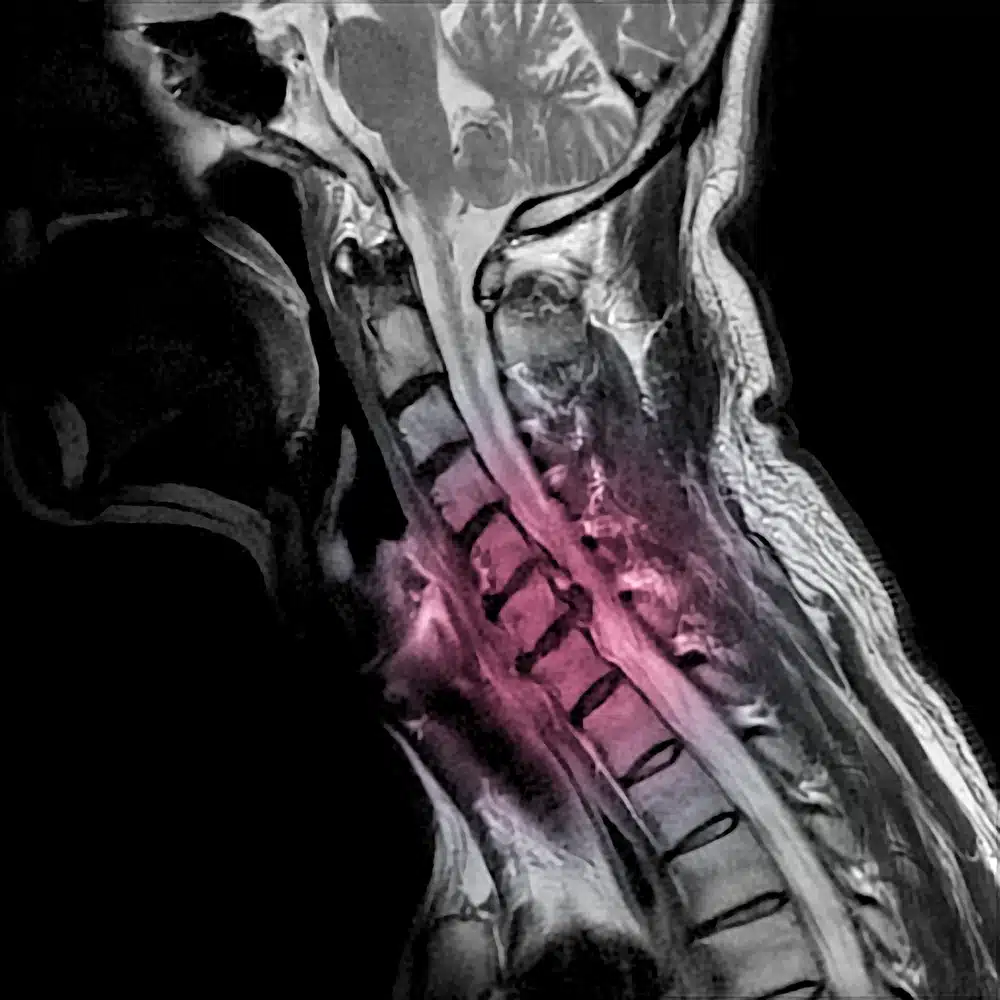
A herniated disc occurs when part of the softer center of a spinal disc pushes through the tougher outer layer. Depending on the location, symptoms can include back or neck pain, pain that travels into an arm or leg, numbness, tingling, or weakness. Mayo Clinic’s herniated disk guide provides a useful medical overview.
A standard X-ray is useful for many bone problems, but it does not show a disc herniation the way an MRI can. Whether an MRI, CT scan, or other test is appropriate is a medical decision. In a legal claim, the important question is not simply whether an image contains the word “degenerative.” The more useful question is what symptoms and limitations changed after the crash.
What If You Already Had Neck or Back Problems?
A prior condition does not automatically end an injury claim. Many adults have age-related changes on imaging. Some have a history of neck pain, back pain, or prior treatment. The practical issue is usually whether the collision caused a new injury or aggravated an existing condition.
That is why prior medical records can matter. They help show the person’s baseline before the collision and what changed afterward. We explain this issue in more detail in our guide to what happens when a car accident aggravates a pre-existing condition.

Concussions and Traumatic Brain Injuries
A concussion is a type of mild traumatic brain injury. A person does not have to lose consciousness to have a concussion. The CDC’s mild TBI and concussion guidance notes that symptoms can involve headaches, dizziness, balance, memory, concentration, emotions, and sleep, and that some symptoms may not appear until hours or days after the injury.
Brain-injury claims can be difficult because the person may look normal while struggling with concentration, word finding, memory, fatigue, mood changes, or headaches. The evidence often comes from several sources: medical evaluations, symptom history, test results, work records, and observations from people who knew the person before the crash. Our Houston brain injury lawyer page explains how those cases differ from routine injury claims.
Greg’s perspective: In a brain-injury case, a spouse, coworker, friend, or supervisor may notice changes that do not fit neatly into a medical chart. I want to know what the client could do before the crash and what became harder afterward.


Contact Us
FREE CONSULTATIONS
Contact the Undefeated Car Accident Attorney in Houston with Decades of Expertise and a Proven Track Record
Spinal Cord and Serious Spine Injuries
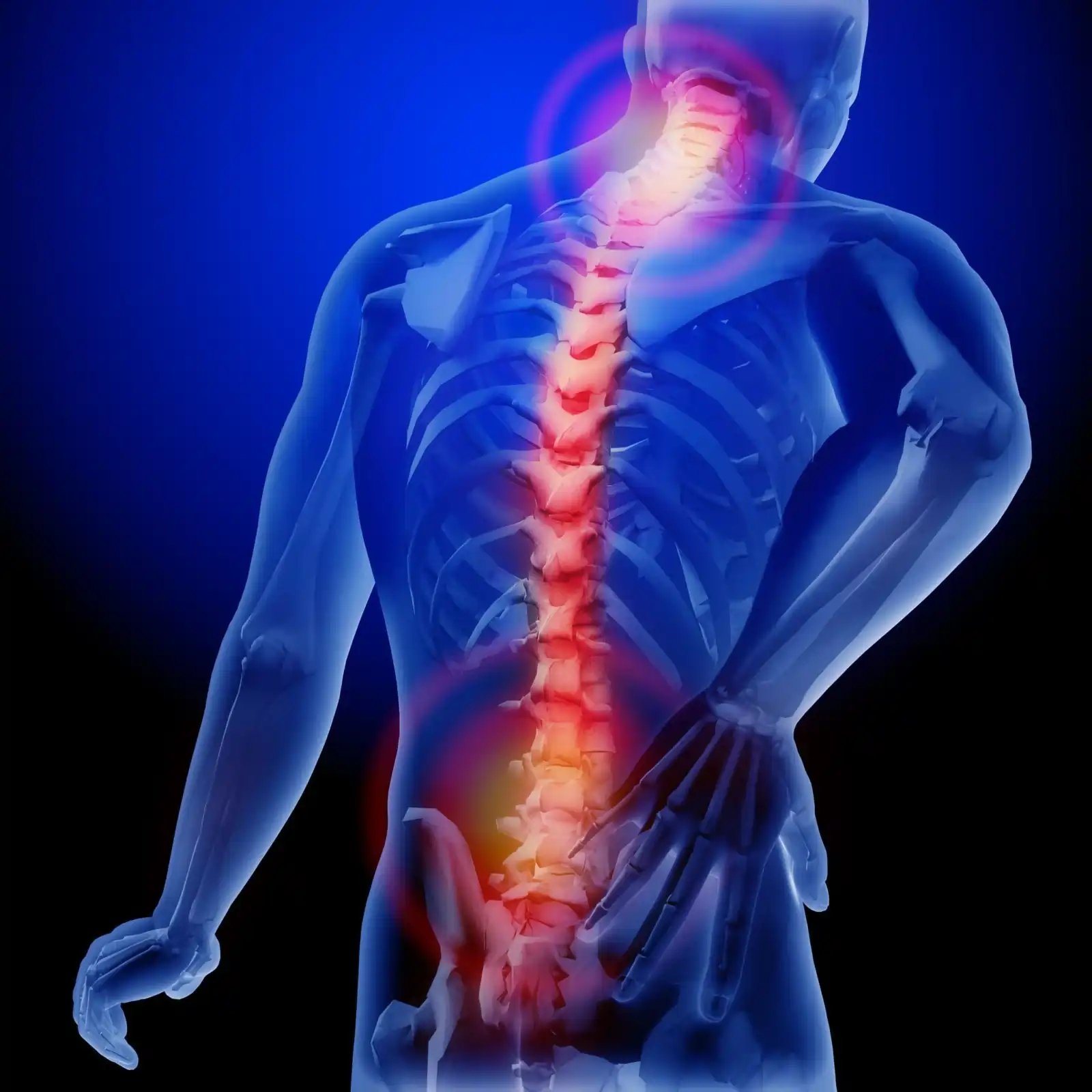
A serious spinal injury can affect movement, sensation, work, independence, and the need for long-term care. A herniated disc is not the same thing as a spinal cord injury, and the distinction matters. The diagnosis and prognosis should come from qualified medical professionals, not from an insurance adjuster or a lawyer.
When a crash causes spinal cord damage or another catastrophic spine injury, the legal case may need to account for rehabilitation, mobility equipment, home or vehicle modifications, attendant care, lost earning capacity, and future medical needs. See our Houston spinal cord injury page for a fuller discussion.
Broken Bones, Joint Injuries, and Internal Injuries
Car crashes can cause fractures to the ribs, wrists, arms, legs, pelvis, face, and vertebrae. They can also injure shoulders, knees, hips, and other joints. A fracture may be clear on an X-ray or CT scan, but the long-term effect can still depend on whether surgery was needed, whether hardware was implanted, how well the person heals, and whether movement or pain remains limited.
Internal injuries are different because they may not be obvious from the outside. Chest or abdominal trauma can damage organs or blood vessels. Emergency symptoms after a crash should be evaluated by medical professionals. This page is legal information, not medical advice; when symptoms are severe or concerning, emergency care should come first.
PTSD, Anxiety, and Other Psychological Effects
A serious crash can affect more than the body. Some people become anxious in traffic, avoid driving, relive the collision, lose sleep, or feel constantly on edge. The National Institute of Mental Health’s PTSD overview specifically notes that a person may avoid driving or riding in a car after a serious accident.
From a claims standpoint, psychological injuries should be treated with the same care as physical ones: the diagnosis should be made by qualified health professionals, and the legal case should be based on reliable records and evidence of how the condition affects everyday life. In Texas, these damages should stem from an injury in the accident.

How Injury Severity Affects a Houston Car Accident Claim
There is no honest formula that turns a diagnosis into a settlement value. Two people can have the same diagnosis and very different claims. One may recover quickly and return to work. The other may need surgery, lose months of income, or live with permanent restrictions.
- Medical diagnosis and prognosis. What did the doctors find, and what is the expected recovery?
- Treatment and future care. Was surgery required? Are therapy, injections, medication, or additional procedures reasonably expected?
- Work impact. Did the injury cause missed work, reduced hours, or loss of earning ability?
- Daily-life impact. Can the person sleep, drive, exercise, care for family, or do the things they did before?
- Causation evidence. Do the medical records and crash facts support a connection between the collision and the claimed condition?
- Available insurance. A severe injury can quickly exceed a minimum-liability policy, making every applicable source of coverage important.

The Medical Record Should Tell the Real Story
The goal is not to “build” a medical record for an insurance company. The goal is to receive appropriate care and make sure the record accurately reflects what is happening. When symptoms change, new problems appear, or an activity becomes difficult, tell the treating medical professional. Do not exaggerate, but do not minimize what you are experiencing either.
Gaps in care can become an issue in a claim, but there are many legitimate reasons treatment is interrupted — work, transportation, cost, family obligations, or a doctor’s advice. The facts matter.
Greg’s perspective: I would rather have an accurate medical record than a dramatic one. A good case is built around what actually happened – the symptoms, the diagnosis, the treatment, the limitations, and the recovery. Credibility matters.
What to Do After a Houston Crash When You May Be Injured
- Get appropriate medical care. If you have pain, dizziness, numbness, weakness, confusion, or other concerning symptoms, let a medical professional determine the appropriate evaluation.
- Preserve basic crash evidence. Save photographs, videos, witness information, police report information, and insurance details.
- Be accurate with insurers. Do not guess about symptoms, speed, distance, or fault.
- Keep important records. Save medical bills, work-loss information, prescriptions, receipts, and communications about the claim.
- Do not rush a final release. A full settlement usually ends the claim, so the medical picture should be understood before a serious case is resolved.
Serious Injuries Can Create Insurance Problems
A major injury can cost far more than the minimum liability coverage carried by some drivers. In a serious case, we look beyond the obvious policy to determine whether there may be employer coverage, commercial coverage, an umbrella policy, rideshare coverage, or the injured person’s own uninsured and underinsured motorist coverage.
The Texas Department of Insurance auto insurance guide explains Texas auto-insurance basics, including minimum liability limits and optional coverages. Identifying coverage early can be important in a case involving surgery, brain injury, spinal injury, or another major loss.
Frequently Asked Questions About Car Accident Injuries in Houston
Can car accident symptoms show up later?
Yes. Some symptoms can appear immediately, while others develop over hours or days. Mayo Clinic notes that whiplash symptoms often begin within days, and the CDC says some mild-TBI symptoms may not appear until hours or days after an injury. New or worsening symptoms should be discussed with a medical professional.
Do I need an MRI after a car accident?
Not every patient needs an MRI. The right imaging depends on the symptoms, examination, and medical judgment. X-rays, CT scans, MRIs, or no imaging at all may be appropriate depending on the injury. A lawyer should not tell a patient which test to demand.
What if the insurance company says my injury is pre-existing?
A prior condition does not automatically defeat a claim. The issue is often what changed because of the collision. Prior records, post-crash examinations, imaging, treatment, and medical opinions can help separate the earlier condition from the new injury or aggravation.
Should I settle before treatment is finished?
Be careful about signing a full release before you understand the likely course of a significant injury. A serious case should account for reasonably expected future treatment and limitations when they can be supported by evidence. A settlement usually closes the claim permanently.
When does it make sense to speak with a lawyer?
Legal advice becomes more important when the crash caused more than a minor injury, fault is disputed, surgery may be needed, the insurer is pushing for a quick release, several vehicles or companies are involved, or available insurance is unclear. Read our guide on when to hire a car accident lawyer in Houston.
How long do I have to file a Texas car accident injury lawsuit?
In many Texas personal-injury cases, the general limitations period is two years, but exceptions and shorter notice rules can apply. Evidence can also disappear long before the legal deadline. See our Texas car accident statute of limitations guide for more detail.
Questions About an Injury After a Houston Car Crash?
If you were seriously injured in a Houston car accident, Baumgartner Law Firm offers a free consultation. I have handled personal-injury cases since 1985 and keep a limited caseload so I can stay personally involved in the cases we accept. We can review the crash, the medical issues, the available insurance, and the practical next steps without pressuring you to make a quick decision.
Call (281) 587-1111 or use our free consultation form. There is no attorney fee unless we recover compensation for you.
Schedule A Free Case Consultation
"*" indicates required fields