“Proximate cause” sounds like a phrase only lawyers use. But it sits at the heart of almost every injury claim. In plain terms, it is the legal reason your injury happened. It links what someone did wrong to the harm you suffered. If you cannot show that link, you usually cannot win your case, even when the other person clearly acted carelessly.
This guide breaks the idea down in everyday language. Houston personal injury attorney Greg Baumgartner explains what the term means, why it matters so much, and how it plays out in real life.
What Does Proximate Cause Mean?
Proximate cause is the legal cause of an injury. It is not just any cause. It is the one that is closely tied to the harm.
Courts also ask one key question: was the harm foreseeable? In other words, could a careful person have seen that their actions might hurt someone? If the answer is yes, the law can hold them responsible. This rule keeps things fair. People answer for the harm they could have expected, not for strange events no one saw coming.
Why This Idea Decides So Many Claims
To win an injury case, careless behavior alone is not enough. You also have to tie that behavior to your injury. Lawyers call the careless behavior negligence, but proving it does not end the story.
Think of it as a chain. One end is what the other person did. The other end is your injury. The law requires that the two ends connect. If the chain breaks somewhere in the middle, the case can fall apart. This same rule prevents people from being blamed for harm that is too far removed from their actions.
Real Situations That Show How It Works
Examples make the idea click. Here are five common ones.
- A driver runs a red light. A driver speeds through a red light and crashes into another car. Flying debris hurts someone walking on the sidewalk. The choice to run the light is the cause of those injuries, because a wreck is exactly what you would expect from that choice. A Houston car accident lawyer would cite that link to support the claim.
- A store leaves a spill on the floor. A grocery store lets a puddle sit with no warning sign. A shopper slips and breaks an arm. The store’s failure to clean up or warn people is the reason for the fall, so the injured shopper can hold the store responsible.
- A bar keeps serving a drunk customer. A bar keeps pouring drinks for someone who is clearly drunk. That person drives off and causes a crash. Texas law lets victims hold the bar accountable in cases like this, and the injured driver may also have a claim against the drunk driver.
- A faulty product catches fire. A company sells a toaster with a hidden defect. It catches fire during normal use and burns the owner. The defect is the cause of the injury. A Houston product liability lawyer handles claims like these.
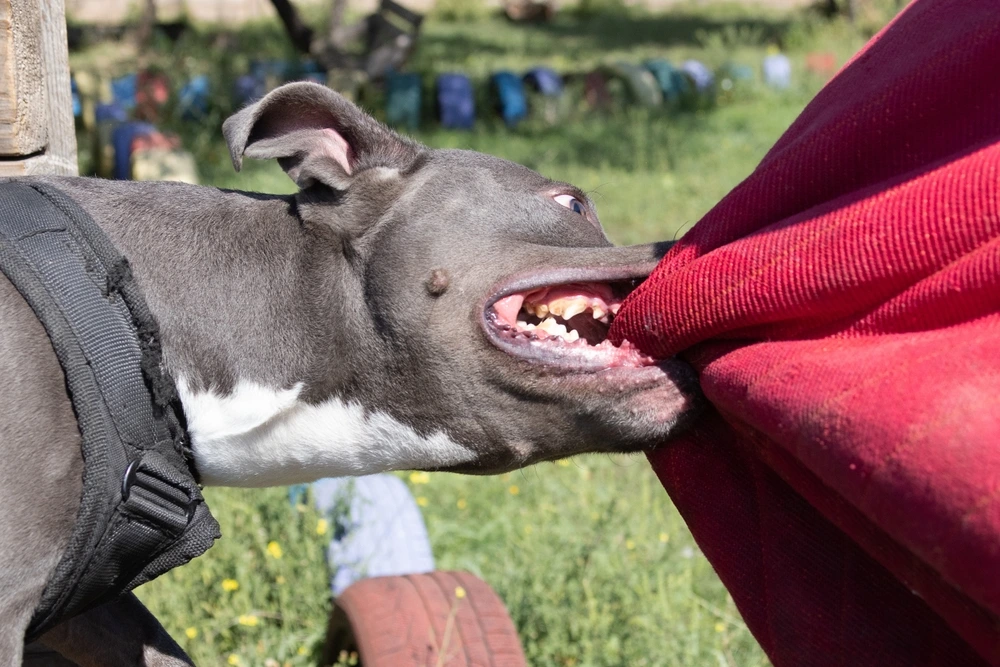
- A dog owner fails to control a dog. An owner lets an aggressive dog run loose, and the dog bites a passerby. The failure to leash the dog caused the attack. A dog bite lawyer in Houston can help the victim seek money for their injuries.
How Courts Prove the Link
Courts look at two parts.
First is the “but-for” test. The question is simple: would the injury have happened but for the other person’s actions? If it had happened anyway, the link would not hold.
Second is foreseeability. The harm has to be something a careful person could expect. Courts use the reasonable person standard to judge this. They ask what an average, careful person would have seen coming. Our guide to causation in injury claims explains how these pieces fit together.
Things That Can Change the Outcome
A few factors can shift the result or even break the link.
- A new event steps in. Sometimes a new event occurs after the careless act, worsening the injury. If that event was not foreseeable, it can break the chain and let the first person off the hook. If it were foreseeable, the link could still hold.
- Both sides share blame. Sometimes the injured person is partly at fault, too. Texas uses a rule called proportionate responsibility. Your payment drops by your share of the blame, and you recover nothing if you are more than half at fault. Our article on making a claim when you are partly at fault explains how this works.
- More than one party is at fault. Many cases involve several at-fault parties. Courts decide how each one contributed to the injury, and you may be able to recover from any party whose actions were a cause. Here is more on cases with multiple parties at fault.
Why Proving the Link Can Be Hard
The other side often fights this part of the case. Common arguments include:
- The harm was not foreseeable. They claim no one could have predicted the injury.
- Something else caused it. They point to another event or person as the real cause.
- You share the blame. They argue your own actions, not theirs, led to the harm.
A skilled lawyer anticipates these moves and prepares answers for each.
How Expert Witnesses Help
Some cases are too technical to explain on their own. That is where expert witnesses come in. An expert can walk a jury through what happened and explain how one act caused the injury. For example, in a job site case, a safety expert may explain how a contractor’s mistake caused the harm. A Houston construction accident lawyer often works with these experts to make the link clear.
How to Build a Stronger Claim
A few simple steps can protect your case:
- Save the proof. Keep photos, medical records, and witness names. They help show the link between the act and your injury.
- Talk to a lawyer early. An experienced attorney can spot the strong points in your case and answer the other side’s defenses.
- Use the right experts. Medical and accident experts can make a hard-to-see link clear to a jury.
Frequently Asked Questions
What is a proximate cause in simple terms?
It is the legal reason your injury happened. It connects another person’s careless act to the harm you suffered, as long as that harm was something they could have foreseen.
How is it different from the actual cause?
Actual cause, sometimes called cause in fact, asks whether the injury would have happened but for the act. Proximate cause goes one step further and asks whether the harm was foreseeable. A strong case usually needs both.
Do I have to prove this part myself?
No. Your lawyer builds this part of the case for you, often with evidence and expert testimony. You can focus on healing.
What if I was partly to blame?
You may still recover money in Texas, as long as you were not more than half at fault. Your payment is reduced by your share of the blame.
Talk to a Houston Injury Lawyer Today
If you have been hurt in an accident in Houston, TX, and need legal representation, contact our Houston personal injury lawyers to schedule your free consultation.
6711 Cypress Creek Pkwy, Houston, TX, 77069