
After a serious crash in Houston, it is natural to want to share what happened on social media. You may want support from friends and family, or feel tempted to post photos of your car or injuries. Our car accident lawyer in Houston recommends you stay off posting to social media if you have a claim pending.
Many people do not realize that insurance companies and defense lawyers closely monitor social media. A single post, photo, or comment can be twisted and used against you, even if you think it is harmless.
This article explains common post-crash social media mistakes that kill Houston claims, how insurers use your online activity, and what you should do instead. You will learn how to protect your Texas personal injury case and why talking with a Houston car accident lawyer early is so important.
Key Takeaways
- Insurance companies routinely monitor social media accounts after a crash.
- Posts, photos, comments, and tags can be used to question your injuries or fault.
- “Private” settings do not guarantee privacy in a personal injury case.
- The safest approach is to stay off social media until your legal proceedings are resolved.
- A Houston personal injury lawyer can guide you on how to protect your claim.

What Social Media Means for Houston, Texas Car Accident Claims
In a Houston car accident case, your credibility and the proof of your damages are critical. Texas uses a comparative fault system, which means the other side will look for any reason to blame you or downplay your injuries.
Social media can damage your case by offering insurers a free window into your life. Facebook, Instagram, X, TikTok, and even private messaging platforms can be sources of evidence. Adjusters look for anything they can use to argue that you are not as hurt as you claim or that you caused or contributed to the crash.
In Texas, if you are found more than 50 percent at fault, you cannot recover damages. Even if you are less than 50 percent at fault, your recovery can be reduced by your percentage of fault, which can be influenced by your social media posts. Social media content that makes you look careless or uninformed can shift that percentage against you.
Common Post-Crash Social Media Mistakes That Kill Houston Claims
Some mistakes seem minor at the time but can have serious consequences later. Here are some of the most common issues that harm car accident claims in Houston.
Posting About the Crash
Many people post photos of the accident scene, damaged vehicles, or their injuries. They might describe what happened, apologize, or speculate about who was at fault. Even a simple “I did not see the other car” can constitute an admission of fault.
Insurers may compare your post to the police report and your later testimony. Any difference, even if innocent, can be used to question your credibility.
Sharing Photos or Videos While Recovering
Photos and videos of you at social events, on trips, or engaged in physical activities can be powerful tools in your defense. Even if you are in pain and only managed a short outing, a photo of you smiling at a family barbecue can be used to argue that your injuries are not serious.
Context rarely appears in a still image. A ten-second clip does not show that you spent the rest of the day in bed.
Posting “I Am Okay” or Downplaying Injuries
Many people tell friends and family they are “fine” out of habit or to avoid worrying others. But after an accident, a post saying “I am okay” can be used to argue that your injuries are minor or unrelated to the crash.
Some injuries, especially soft tissue and brain injuries, worsen over time or are not immediately obvious, making it crucial to avoid contradicting your claims on social media. Early statements made before you understand the full extent of your injuries can come back to hurt your case.
Engaging in Arguments About the Crash
Responding to the other driver, witnesses, or strangers online can create a trail of statements that can be taken out of context. Arguments in comment threads, direct messages, or community groups can all be discovered and used in litigation, highlighting the role of social media in your case.
Any statement suggesting that you were distracted, speeding, or “could have avoided it” may be framed as an admission of fault.
Accepting New Friend Requests or Followers
After a crash, some people suddenly receive friend requests or follows from people they do not know. Sometimes these accounts are connected to investigators working for insurance companies or defense firms.
Accepting those requests may give them deeper access to your posts, photos, and history, even if your profile is set to private.
How Insurers and Defense Lawyers Use Your Social Media Against You
Insurance adjusters and defense lawyers are trained to look for inconsistencies. They may save screenshots, download videos, and monitor updates over time.
They compare your online activity to:
- Your medical records and reported pain levels.
- Your statements to doctors, employers, and the insurer.
- Your testimony in a deposition or at trial.
If you claim you cannot lift heavy objects but post a photo holding a large item, that image will likely surface. If you say you rarely go out due to pain, photos of you at events can be used to challenge that statement.
Even old posts, jokes, or memes can be taken out of context. A single careless comment can create doubt in the minds of a jury or judge.
Texas Law Essentials and Social Media
While Texas law does not have a separate statute just for social media in injury cases, your online content is treated like any other potential evidence.
Texas follows discovery rules that allow the other side to request relevant information and documents. Courts have ordered injured people to produce social media content when it relates to their claimed injuries, activities, or mental health.
Texas also uses a two-year statute of limitations for most personal injury cases. During that time, anything you post can become part of the case. Even if you delete posts later, screenshots or cached versions may still exist. Attempting to erase evidence after a claim has started can create additional legal problems and harm your credibility.
What You Should Do Immediately After a Crash in Houston
After a crash, your first priorities should be safety and medical care. At the same time, you should be careful about what you share online.
Get medical attention right away, even if you feel only minor pain. Report the crash to law enforcement, and obtain the crash report when it becomes available. Take photos and videos of the scene, vehicles, and visible injuries for your own records, not for social media.
Let close family know what happened through private conversations or calls instead of public posts. Save all documents related to the car crash, including medical bills, repair estimates, and work absence records, to support your case in legal proceedings.
Finally, contact a Houston personal injury lawyer as soon as possible. An injury attorney can guide you on what to avoid online and how to protect your claim from the potential pitfalls of social media activity.
Safer Social Media Practices After a Houston Car Accident
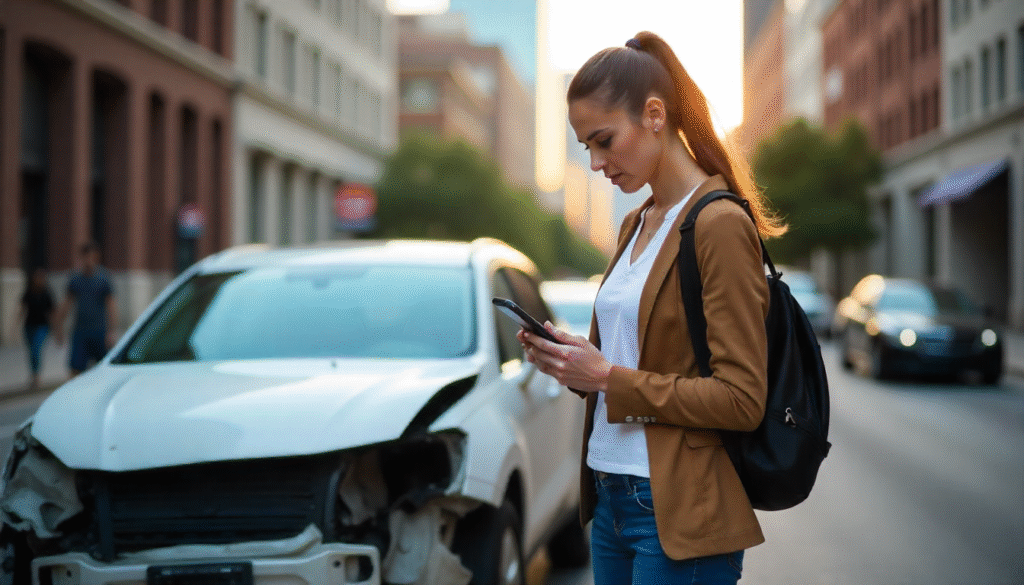
You do not have to delete your accounts, but you should use them very carefully. Consider the following safer practices while your Texas claim is pending.
Keep your profiles as private as possible, but do not rely on privacy settings to protect you. Do not post any information, photos, or opinions about the crash, your injuries, your treatment, or the legal case.
Avoid posting photos or videos that show physical activities, trips, parties, or other events that could be misunderstood. Do not accept new friend requests or followers from people you do not know personally.
Ask friends and family not to tag you in posts, comments, or photos related to the crash or your activities. Before you post anything unrelated to the crash, ask yourself how it might look to someone trying to deny your claim. If there is any doubt, do not post.
If you already posted about the crash before realizing the risks, do not try to destroy evidence once a claim is underway. Talk to your lawyer about the best way to handle existing content.
Common Social Media Mistakes vs. Safer Choices
| Social Media Mistake | Safer Choice |
| Posting crash photos or details | Keep accident details offline |
| Sharing “I am fine” after the crash | Discuss your condition privately |
| Posting activity or travel photos | Avoid posting photos until the case is resolved |
| Accepting unknown friend requests | Only connect with people you know personally |
| Arguing about the crash online | Refer questions to your attorney |
How Social Media Can Affect Damages in Your Texas Claim
Social media not only impacts liability. It can also affect how much compensation you receive.
If your posts suggest that you are living a normal life without restrictions, the defense will argue that your pain and suffering are limited. Photos showing you active and smiling can be used to question emotional distress or mental health claims.
In Texas, damages may include medical expenses, lost wages, loss of earning capacity, physical pain, mental anguish, and loss of enjoyment of life, which can all be affected by your social media presence. When your online presence conflicts with these claimed losses, your overall recovery can be reduced.
How a Houston Car Accident Attorney Helps Protect Your Claim
An experienced Houston personal injury lawyer understands how social media impacts modern cases. Your attorney can explain what to avoid, review potential problem areas, and help you make smart decisions about your online activity.
A lawyer also handles communication with insurance companies so you do not feel tempted to explain yourself online. Your attorney will gather medical records, police reports, witness statements, and other evidence to build your case, instead of relying on impressions from social media.
If the defense tries to misuse your online content, a skilled trial lawyer can challenge the context, relevance, and fairness of that evidence in court. Having someone on your side who understands both the legal rules and insurance company tactics is critical in protecting your rights.
Evidence That Helps Your Claim vs. Evidence That Hurts
| Evidence That Helps | Evidence That Hurts |
| Medical records and doctors’ notes | Posts saying you are “fine” or “back to normal.” |
| Police crash report | Photos of you doing strenuous activities |
| Witness statements | Jokes or comments downplaying the crash |
| Photos of property damage for your file | Public crash photos with emotional captions |
Conclusion
Post-crash social media mistakes can quietly kill Houston claims. What feels like a simple update or a way to cope with trauma can become powerful evidence for an insurance company trying to deny or reduce your compensation.
By staying off social media, limiting what you share, and getting guidance from a Houston personal injury lawyer, you can protect your Texas car accident claim and focus on healing. Careful online choices today can make a real difference in the outcome of your case tomorrow.
Frequently Asked Questions
Can social media really affect my Houston car accident claim?
Yes. Insurance companies and defense lawyers often review social media profiles for evidence. Posts, photos, and comments can be used to question your injuries, your version of events, and your damages.
Is my private account safe from an insurance company review?
Private settings make it harder for the public to see your posts, but they do not guarantee privacy in a legal case. Courts can order you to produce relevant content if it relates to your injuries, activities, or mental state.
Should I delete social media posts about the car crash?
You should not destroy potential evidence once you know a claim or lawsuit is likely. Deleting posts can raise additional issues. Instead, talk to a Houston personal injury lawyer about how to handle existing content safely and lawfully.
Can I still use social media after a car accident in Texas?
You can use social media, but it is safest to avoid posting about the crash, your injuries, or your activities. Limit your posts, avoid photos and videos, and do not accept new friend requests from people you do not know.
What if a friend posts about my accident and tags me?
Ask your friends and family not to post about the crash or tag you. If they already have, request that they remove the tag or post, but do not instruct anyone to destroy evidence once a claim has started without legal advice.
How does social media affect damages in a Texas injury case?
Photos and posts that show you active, traveling, or appearing pain-free can be used to argue that your injuries are minor or that you are exaggerating, especially in the eyes of an injury attorney. This can reduce the value of your claim for pain, suffering, and loss of enjoyment of life.
When should I talk to a Houston personal injury lawyer about my claim?
You should contact a lawyer as soon as possible after the crash. Early legal help can protect your rights, preserve evidence, and provide clear guidance about social media and other issues that could affect your Texas claim.
https://maps.app.goo.gl/no3CH7pCJ4YwR81M6
If you or a loved one has been hurt in a car, truck, or motorcycle accident, contact Baumgartner Law Firm for a FREE consultation to learn your rights, options, and next steps.
(281) 587-1111