A scald burn is a thermal injury caused by hot liquid or steam. The first priority is to stop contact with the heat and cool the injured skin under cool running water. Do not use ice. Serious scalds can damage deeper tissue, require surgery, and leave permanent scars. If a preventable hot-water injury was caused by unsafe property conditions, poor supervision, or a defective product, a Houston burn injury lawyer can investigate what happened and explain the available legal options.
|
Medical emergency Call 911 or seek immediate medical care for a large or deep burn, a burn involving the face, hands, feet, genitals, or a major joint, breathing difficulty, fainting, signs of shock, or a serious burn involving a child or older adult. This article provides general information and is not a substitute for medical advice. |
What Is a Scald Burn?
Scalds happen when hot water, coffee, tea, cooking liquids, grease, or steam touches the skin. The American Burn Association’s scald-burn guidance explains that these injuries can happen within seconds and may affect the hands, arms, chest, face, or any other exposed area.
The seriousness of a scald depends on several factors:
- The temperature of the liquid or steam.
- How long the skin remained in contact with the heat.
- The size and location of the burn.
- The depth of tissue damage.
- The age, health, and mobility of the injured person.
Children, older adults, and people with limited mobility or reduced sensation face greater risks because they may burn more quickly or be unable to move away from the source.
What Should You Do Immediately After a Scald Burn?
Quick, simple first aid can reduce ongoing heat damage. The American Burn Association’s burn first-aid guidance recommends cooling the area with running water and avoiding ice.
- Stop the burning process. Move away from the hot liquid or steam. Remove wet clothing, jewelry, watches, or tight items unless they are stuck to the skin.
- Cool the burn. Place the injured area under cool—not cold or icy—running water for about 10 to 20 minutes. Do not delay emergency help for a major burn.
- Protect the area. Loosely cover the burn with clean, dry, non-stick gauze or a clean cloth.
- Do not apply home remedies. Ice, butter, grease, toothpaste, oils, and heavy creams can worsen tissue damage, trap heat, or increase the risk of infection.
- Get medical advice. Burn depth is not always obvious at first. A clinician can evaluate blistering, circulation, sensation, infection risk, and whether specialized burn care is needed.
Do not pop blisters. Blisters protect the injured skin beneath them. A healthcare professional should decide how they are managed.
When Does a Scald Burn Need Emergency Care?
Seek prompt medical attention when any of the following is present:
- The burn is larger than the injured person’s hand.
- The skin looks white, brown, black, leathery, or unusually numb.
- The burn affects the face, hands, feet, genitals, perineum, or a major joint.
- There is extensive blistering, severe swelling, uncontrolled pain, or loss of sensation.
- The injured person is an infant, young child, older adult, or someone with significant medical problems.
- The person appears weak, confused, faint, short of breath, or in shock.
- Redness, warmth, drainage, fever, or worsening pain suggests infection.
The American Burn Association publishes burn-center referral guidelines for medical professionals. Those guidelines emphasize specialized evaluation for deep burns, burns involving critical body areas, poorly controlled pain, and pediatric burns that may need added support.
How Doctors Describe Burn Severity
Many people still use the terms first-, second-, and third-degree burn. Medical professionals may also describe burns as superficial, partial-thickness, deep partial-thickness, or full-thickness. MedlinePlus explains the basic burn-depth categories and notes that serious burns can lead to swelling, blistering, scarring, infection, shock, or death.
- Superficial burns affect the outer skin layer. They are usually red and painful without deep blistering.
- Partial-thickness burns extend into the layer beneath the surface. They may be very painful, moist, swollen, or blistered.
- Deep partial-thickness or full-thickness burns destroy deeper tissue. The area may look pale, waxy, brown, black, or leathery and may feel less painful because nerves have been damaged.
A burn can change in appearance during the first hours or days. Do not judge severity only by the amount of pain or the way the skin looks immediately after the accident.
Common Causes of Scalding Injuries
Scald injuries happen in homes, rental properties, restaurants, childcare centers, care facilities, hotels, and workplaces. Common causes include:
- Bath or shower water that is dangerously hot.
- A child pulling down a cup, bowl, pot, or pan containing hot liquid.
- Coffee, tea, soup, or cooking liquid spilled by a server, caregiver, or another person.
- Steam released from cookware, industrial equipment, pipes, dishwashers, or pressure systems.
- Hot grease or oil splashing during cooking.
- A water heater, mixing valve, faucet, appliance, or safety control that is defective or poorly maintained.
- Unsafe supervision in a daycare, nursing home, assisted-living facility, hospital, or other care setting.
Why Water Temperature Matters
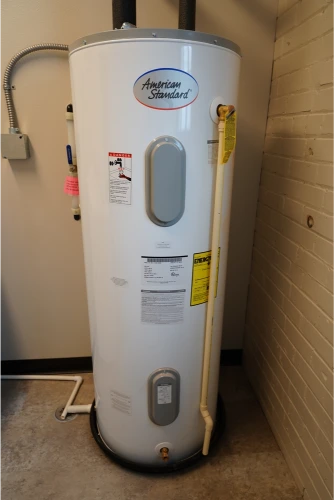
Hot tap water can cause deep burns far faster than many families realize. The U.S. Consumer Product Safety Commission advises consumers to lower residential water heaters to 120°F to reduce the risk of tap-water scalds. Its safety alert warns that water at 140°F can cause a severe burn within seconds.
Practical prevention steps include:
- Keep the water-heater setting at a safe level and confirm the actual faucet temperature with a thermometer.
- Use anti-scald or thermostatic mixing devices where appropriate.
- Test bath water before a child, older adult, or person with limited sensation enters the tub.
- Never leave a young child unattended in a bathtub or kitchen.
- Turn pot handles toward the back of the stove and keep hot drinks away from table edges.
- Open microwave containers carefully because trapped steam can escape suddenly.
- Report fluctuating or excessively hot water to a landlord or property manager in writing.
Scald Burns Involving Children and Vulnerable Adults
A child may be unable to recognize the danger, turn off the water, or escape a tub. Older adults and people with disabilities may have reduced sensation, slower reaction time, or limited mobility. These factors can turn a brief exposure into a deep injury.
Parents and caregivers can review our more focused guide to hot-water scald burns involving children. When a burn occurs because a childcare provider failed to supervise a child or control a known hazard, a Houston daycare injury lawyer can investigate the facility’s conduct, incident reports, video, training, and safety records.
Possible Long-Term Effects of a Serious Scald
A deep scald may affect far more than the surface of the skin. Depending on the location and severity, a person may face:
- Hospitalization, wound cleaning, skin grafting, or reconstructive surgery.
- Infection, nerve damage, chronic pain, itching, or sensitivity.
- Scarring and disfigurement.
- Contractures that tighten the skin and reduce movement near a joint.
- Physical or occupational therapy.
- Anxiety, depression, sleep problems, or trauma related to the injury and treatment.
- Lost income, reduced earning ability, and ongoing medical expenses.
The financial impact often extends beyond the emergency room. Our overview of the cost of treating burns explains why future care, rehabilitation, and the personal effects of scarring must be considered before an injury claim is resolved.
When Can Someone Else Be Responsible for a Scald Burn?
Not every scald injury creates a legal claim. Liability usually depends on whether a person or company failed to use reasonable care and whether that failure caused the burn. Depending on the facts, responsible parties may include:
- A landlord or property manager that ignored complaints, failed to maintain a water heater or mixing valve, or allowed dangerously hot water conditions to continue.
- A daycare or care facility that failed to supervise a child or vulnerable adult, test water, train staff, or follow safety procedures.
- A restaurant, hotel, or other business when unsafe handling, service, equipment, or premises conditions caused a foreseeable spill or steam exposure.
- An employer, contractor, or equipment operator when a workplace steam release, hot liquid, or unsafe process caused the injury. Workers’ compensation and third-party claims may both need review.
- A manufacturer or seller when a defective water heater, pressure cooker, faucet, valve, appliance, or safety device caused the scald. A defective product injury claim may require the product to be preserved and inspected by an expert.
Evidence to Preserve After a Preventable Scald Injury
The conditions that caused a scald may be repaired or changed quickly. When it is safe to do so, preserve:
- Photos and video of the injury from the first day through healing.
- Photos of the scene, faucet, water-heater controls, appliance, warning labels, and surrounding conditions.
- The clothing, container, appliance, valve, or other item involved. Do not alter or discard potential evidence.
- Incident reports, maintenance requests, emails, text messages, and prior complaints.
- Names and contact information for witnesses.
- Medical records, bills, prescriptions, travel costs, wage records, and a simple recovery journal.
Our guide to the legal steps after a burn injury provides additional information about reporting the event, documenting the harm, and protecting a potential claim.
How Long Do You Have to File a Scald Burn Claim in Texas?
Texas generally applies a two-year limitations period to personal injury lawsuits under Texas Civil Practice and Remedies Code Section 16.003. However, exceptions, shorter notice deadlines, and special rules may apply—particularly when a child, government entity, workplace claim, or other unusual circumstance is involved.
Waiting can also make a valid case harder to prove. Video may be overwritten, equipment may be repaired, witnesses may move, and records may be lost. A prompt investigation is often as important as the filing deadline itself.
How a Burn Injury Lawyer Can Help
A lawyer handling a serious scald claim may:
- Identify every person or company that may share responsibility.
- Send preservation letters before video, maintenance records, or physical evidence disappears.
- Arrange inspections by engineers, product experts, or other qualified professionals.
- Document medical care, future treatment, lost income, pain, impairment, scarring, and disfigurement.
- Handle communications with insurance companies and evaluate settlement offers.
- File a lawsuit and prepare the case for trial when a fair resolution is not offered.
At Baumgartner Law Firm, we have represented seriously injured people and families for more than 40 years. Our burn cases have included severe hot-water injuries involving unsafe water-heater temperatures and burns suffered by children. Learn more about our experience and results on our Houston burn injury lawyer page. Past results do not guarantee a similar outcome.
Frequently Asked Questions About Scald Burns
How long should you cool a scald burn with water?
Cool a minor scald under cool running water for about 10 to 20 minutes. Do not use ice or very cold water, and do not delay emergency help for a large, deep, or life-threatening burn.
Should you put ice on a scald burn?
No. Ice can further injure damaged skin and reduce blood flow. Use cool running water instead.
Can a scald burn get worse after the accident?
Yes. Burn depth and tissue damage may become clearer over time, and infection or swelling can develop later. Seek medical care if blistering, pain, redness, drainage, fever, numbness, or other symptoms worsen.
Who may be liable for a hot-water burn?
A landlord, property manager, daycare, care facility, business, employer, contractor, or product manufacturer may be responsible when negligence or a defect caused the injury. Liability depends on the evidence and the specific circumstances.
What compensation may be available after a serious scald?
A Texas injury claim may include medical expenses, future care, lost wages, reduced earning capacity, pain, mental anguish, physical impairment, scarring, and disfigurement. The available damages depend on the injury and proof of fault.
Talk With an Experienced Burn Injury Lawyer from Baumgartner Law Firm for Help
Our Houston personal injury attorneys have won numerous burn injury cases. Some involve burns and child injury, and others involve defective products.
Baumgartner Law Firm
6711 Cypress Creek Pkwy, Houston, TX, 77069
Related Posts:
What Types of Burn Injuries Can a Car Accident Cause?
Can I bring a Personal Injury Claim on Behalf of a Child in Texas?
Texas Procedures for Injury Settlements that Involve Minors
How do Lawsuits Against Daycare Providers Work?
What You Need to Know About Pre-Injury Waivers of Children’s Claims in Texas
What You Need to Know About Children Injured in Fitness Centers