
Houston is one of the largest and most congested cities in the United States. With millions of residents, a sprawling highway system, and constant traffic, car accidents are a daily reality across Harris County and surrounding areas.
If you or a loved one has been hurt in a Houston car accident, get an experienced Houston car accident lawyer. Understanding the bigger picture can help you see why these crashes happen so often and what factors contribute to serious injuries. Recent data shows clear patterns in where, when, and how accidents occur in the Houston area.
This guide breaks down Houston car accident statistics and trends based on recent data. You will learn about the most dangerous roads, common causes of crashes, peak times for accidents, and what these numbers mean for your safety and your rights. You will also see how a Houston car accident lawyer can help you navigate the claims process and pursue fair compensation.
Key Takeaways
- Houston consistently ranks among the most dangerous cities in the nation for traffic accidents and fatalities.
- Major highways like I-45, I-10, US-59, and Beltway 8 see thousands of crashes each year.
- Speeding, distracted driving, drunk driving, and failure to yield are leading causes of Houston car accidents.
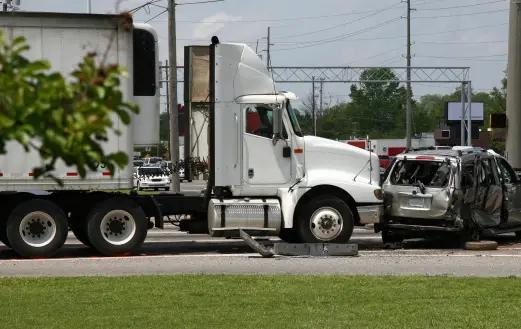
- Rear-end collisions, intersection crashes, and multi-vehicle pileups are common in heavy traffic.
- Understanding local accident trends can help drivers stay safer and know what to do after a crash.
- Early legal help after a Houston car crash preserves evidence, manages insurance claims, and maximizes recovery.
What Houston Car Accident Statistics Mean for Drivers and Families
Houston’s size, population growth, and heavy reliance on cars create a high-risk environment for traffic accidents. According to data from the Texas Department of Transportation and local law enforcement, Harris County consistently reports some of the highest crash totals in Texas.
These numbers are not just statistics; they represent real lives affected by car crashes in Houston. Each crash represents real people dealing with injuries, medical bills, lost wages, and emotional trauma. For families who lose a loved one in a fatal accident, the impact is devastating.
Understanding Houston car accident statistics helps drivers recognize risks, make safer choices, and know what to expect if they are involved in a collision. It also highlights why having an experienced Houston car crash attorney matters when dealing with insurance companies and the legal system.
Recent Houston Car Accident Data: The Numbers
Recent reports show that Harris County sees tens of thousands of reported car accidents each year, prompting calls for improved road safety measures. Many of these crashes result in serious injuries, and hundreds are fatal.
According to Texas Department of Transportation crash data, Houston-area roadways account for a significant portion of the state’s total traffic fatalities. The city’s accident rate per capita is higher than many other major metropolitan areas in Texas and across the country.
Factors contributing to these high numbers include heavy traffic volume, aggressive driving, construction zones, poor weather, and a mix of local and interstate traffic. The sheer number of vehicles on Houston roads at any given time increases the likelihood of collisions.
While exact figures change from year to year, the overall trend shows that Houston remains one of the most dangerous cities in the nation for drivers, passengers, pedestrians, and cyclists.
Most Dangerous Roads and Highways in Houston
Certain roads and highways in Houston see far more accidents than others, contributing to alarming crash statistics. Data consistently points to a few high-risk corridors where crashes are frequent and often severe.
Interstate 45, which runs north-south through the heart of Houston, is one of the deadliest highways in the state. Heavy traffic, high speeds, and frequent lane changes contribute to rear-end collisions, sideswipes, and multi-vehicle pileups.
Interstate 10, also known as the Katy Freeway, is another major trouble spot. This east-west corridor carries a high volume of traffic and has been the site of numerous fatal crashes, especially during rush hour and in construction zones.
US Highway 59, now designated Interstate 69, has high accident rates on both urban and suburban stretches. Beltway 8, which circles the city, is known for dangerous merges, speeding, and truck traffic. State Highway 288 and the Southwest Freeway also rank among the most hazardous routes in the Houston area.
Surface streets with heavy traffic, poor lighting, and complex intersections also contribute to the overall accident totals. Intersections along major corridors like Westheimer Road, Richmond Avenue, and Bellaire Boulevard see frequent collisions.
Common Causes of Houston Car Accidents
Houston car accident statistics reveal clear patterns in what causes crashes. While every accident is unique, certain behaviors and conditions recur in crash reports.
Speeding is a leading factor in serious and fatal accidents. Drivers who exceed the speed limit or drive too fast for conditions have less time to react and cause more severe impacts. Distracted driving, including texting, phone use, eating, and other activities, is a growing problem that contributes to thousands of Houston crashes each year.
Drunk driving and impaired driving remain persistent dangers, especially during evenings, weekends, and holidays. Failure to yield the right of way at intersections, merges, and lane changes leads to T-bone and sideswipe collisions.
Following too closely, also known as tailgating, is a major cause of rear-end accidents in stop-and-go traffic. Reckless driving behaviors such as weaving through traffic, road rage, and aggressive lane changes increase crash risk.
Weather conditions like heavy rain, fog, and occasional ice can make Houston roads treacherous. Poor road design, inadequate signage, and construction zones also contribute to many accidents.
Types of Car Accidents Common in Houston
The types of crashes seen most often in Houston reflect the city’s traffic patterns and road conditions.
Rear-end collisions are extremely common, especially on congested highways and at traffic lights. These crashes often result in whiplash, back injuries, and other soft tissue damage.
Intersection accidents, including T-bone or side-impact crashes, occur when drivers run red lights, fail to yield, or misjudge gaps in traffic. These collisions can cause serious injuries due to the lack of side protection in most vehicles.
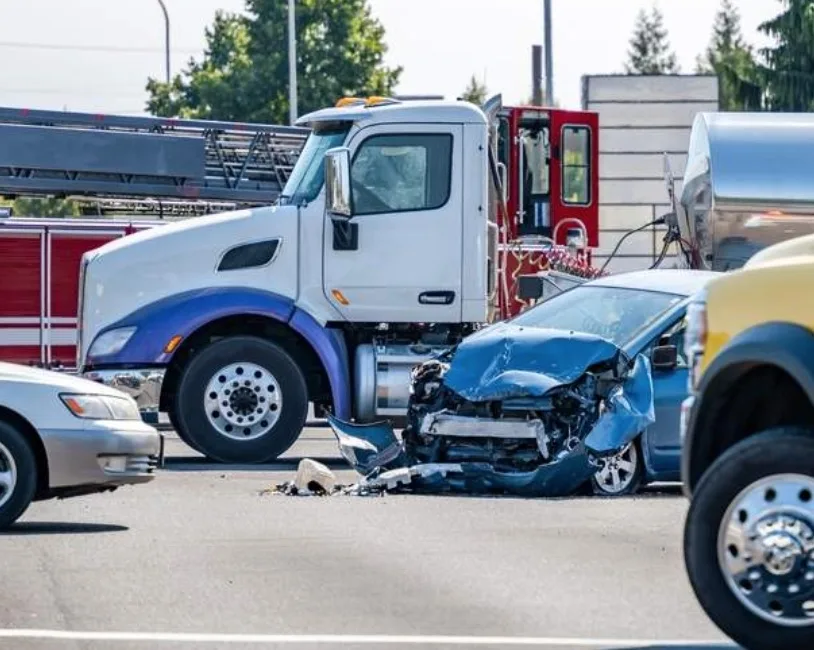
Multi-vehicle pileups occur on busy freeways, particularly in poor weather or when a single crash triggers a chain reaction. Sideswipe accidents occur during lane changes and merges, often due to blind spots or failure to signal.
Single-vehicle crashes, including rollovers and collisions with fixed objects, can result from speeding, distracted driving, or loss of control. Pedestrian and bicycle accidents are also a concern in urban areas and near schools, parks, and shopping centers.
Peak Times and Conditions for Houston Car Accidents
Data shows that certain times of day, days of the week, and weather conditions see higher accident rates in Houston.
Rush-hour periods, typically from 7 to 9 a.m. and 4 to 7 p.m., are peak times for crashes due to heavy traffic and driver frustration. Friday evenings and weekends see increased accidents, often involving impaired drivers.
Nighttime driving is more dangerous due to reduced visibility, fatigue, and higher rates of drunk driving. Rainy conditions significantly increase crash risk, as Houston drivers often struggle with wet roads and reduced traction, leading to serious accidents.
Holiday periods, including Thanksgiving, Christmas, New Year’s, and major summer holidays, tend to see spikes in both accidents and fatalities. Construction zones, common throughout Houston, pose hazards at all times of day.
Injuries and Damages in Houston Car Accidents
The injuries resulting from Houston car accidents range from minor to catastrophic. Common injuries include whiplash and neck strain, back injuries and herniated discs, broken bones and fractures, head injuries and concussions, traumatic brain injuries, spinal cord injuries, and internal bleeding or organ damage.
Damages in a Houston car accident claim can include medical expenses such as emergency room visits, surgery, rehabilitation, and ongoing care. Lost wages and loss of earning capacity address time away from work and reduced ability to earn in the future.
Pain and suffering damages compensate for physical pain, emotional distress, and reduced quality of life. Property damage covers vehicle repairs or replacement. In cases of extreme negligence, punitive damages may be considered.
What to Do Immediately After a Houston Car Accident

Taking the right steps after a crash can protect your health, your safety, and your legal rights.
First, check for injuries and call 911 if anyone is hurt or if there is significant property damage, as swift action is vital for road safety. Move to a safe location if possible, but do not leave the scene. Exchange information with the other driver, including names, contact details, insurance information, and vehicle details, to ensure compliance with TxDOT regulations.
Take photos of the accident scene, vehicle damage, road conditions, traffic signs, and visible injuries. Collect contact information from any witnesses. Request a copy of the police report once it is available.
Seek medical attention as soon as possible, even if you feel fine, because some injuries are not immediately obvious. Notify your insurance company, but avoid giving detailed recorded statements or accepting quick settlement offers without legal advice.
Contact a Houston car accident lawyer early to discuss your rights, options, and next steps.
Insurance Company Tactics After Houston Car Accidents
Insurance companies handling Houston car accident claims often use tactics designed to reduce payouts, making it essential to have a knowledgeable law firm on your side. They may offer quick, lowball settlements before you understand the full extent of your injuries. Adjusters may question liability and try to shift more blame onto you to reduce their payout under Texas comparative fault rules.
Insurers sometimes request unnecessary documentation, duplicate statements, or broad medical authorizations, which can complicate the claims process in Texas. They may delay processing your claim, hoping financial pressure will force you to settle for less. Some adjusters downplay injuries or argue that your medical treatment was excessive or unrelated to the crash.
Having a Houston car accident attorney handle communications with insurers can help protect your claim and ensure you are treated fairly.
Proving Fault and Gathering Evidence in Houston Car Accident Cases
To recover compensation in a Houston car accident case, you must prove that another driver’s negligence caused the crash and your injuries. Key evidence includes police crash reports, which document the scene, statements, and any citations issued.
Medical records and bills show the nature and extent of your injuries and treatment. Witness statements provide independent accounts of what happened. Photos and videos from the scene, dashcams, or nearby surveillance cameras can be powerful evidence.
In some cases, accident reconstruction experts analyze the crash dynamics, vehicle damage, and road conditions. Cell phone records may show distracted driving, and toxicology reports can prove impairment, both of which are important factors in analyzing traffic accident data.
Preserving evidence quickly is critical, as memories fade, vehicles are repaired, and physical evidence can be lost.
Texas Law Essentials for Houston Car Accident Claims
The Two-Year Statute of Limitations
In Texas, you generally have two years from the date of the car accident to file a personal injury lawsuit. Missing this deadline usually means you lose your right to seek compensation, no matter how strong your case, which is why timely action is essential for road safety in Texas.
Texas Comparative Fault
Texas follows a modified comparative fault rule. If you are partly at fault for the accident, your compensation may be reduced by your percentage of fault. If you are found more than 50 percent at fault, you cannot recover damages.
Minimum Insurance Requirements
Texas law requires drivers to carry minimum liability insurance, but these minimums are often not enough to cover serious injuries. Uninsured and underinsured motorist coverage can help protect you if the at-fault driver lacks adequate insurance.
Claims Involving Government Entities
If your accident involves a government vehicle or a dangerous public road, the Texas Tort Claims Act may apply, with special notice requirements and damage limits that are critical for road safety.
Common Causes of Houston Car Accidents and Contributing Factors
| Cause | Contributing Factors |
| Speeding | Heavy traffic, aggressive driving, poor enforcement |
| Distracted driving | Cell phone use, eating, navigation systems |
| Drunk or impaired driving | Nighttime, weekends, holidays |
| Failure to yield | Complex intersections, poor signage, impatience |
| Following too closely | Stop-and-go traffic, tailgating, and inattention |
| Weather conditions | Rain, fog, wet roads, reduced visibility |
How a Houston Car Accident Attorney Helps
A skilled Houston car accident lawyer can investigate your crash, gather and preserve crucial evidence, and identify all responsible parties and insurance policies. Your attorney will handle communications and negotiations with insurance companies, ensuring that adjusters do not take advantage of you.
Legal counsel can consult with medical experts, accident reconstructionists, and economists to build a strong case. If a fair settlement cannot be reached, an experienced trial lawyer can file suit and represent you in court.
Early legal help from a law firm can make the difference between a denied claim and a successful recovery, especially amid rising traffic deaths.
Conclusion
Houston car accident statistics and trends paint a clear picture of a city with serious traffic safety challenges. Understanding what recent data shows about crash causes, dangerous roads, and peak risk times can help you stay safer and know what to do if you are involved in a collision.
If you or a loved one has been injured in a Houston car accident, acting quickly to protect your rights and preserve evidence is essential. Consulting an experienced Houston car accident attorney can help you navigate the claims process, deal with insurance companies, and pursue the full compensation you deserve.
Frequently Asked Questions
How many car accidents happen in Houston each year?
Harris County sees tens of thousands of reported car accidents each year, with hundreds resulting in fatalities. Houston consistently ranks among the most dangerous cities in the nation for traffic crashes.
What are the most dangerous roads in Houston?
Interstate 45, Interstate 10, US Highway 59, Beltway 8, and State Highway 288 are among the most dangerous roads in Houston, with high accident rates due to heavy traffic, speeding, and complex interchanges.
What are the leading causes of car accidents in Houston?
Speeding, distracted driving, drunk driving, failure to yield, following too closely, and poor weather conditions are leading causes of Houston car accidents.
When do most car accidents happen in Houston?
Most accidents occur during rush hour, on Friday evenings, on weekends, and during rainy weather. Nighttime and holiday periods also see higher crash rates.
How long do I have to file a car accident claim in Texas?
You generally have two years from the date of the accident to file a personal injury lawsuit in Texas. Missing this deadline usually means you lose your right to seek compensation after a Houston car crash.
What if I were partly at fault for the car crash?
Texas uses a comparative fault system. If you are partly at fault, your compensation may be reduced by your percentage of fault. If you are more than 50 percent at fault, you cannot recover damages.
What should I do immediately after a car crash in Houston to ensure my rights are protected?
Seek medical attention, call the police, document the scene with photos, collect witness information, and contact a Houston car accident lawyer as soon as possible to protect your rights.
How can a Houston car accident attorney help me?
An attorney from a reputable law firm can investigate your crash, gather evidence, handle insurance companies, and pursue full compensation for your injuries, lost wages, and other damages, ensuring your rights are protected.
Contact our Top-Rated Wrongful Death Lawyer in Houston for a Free Consultation
Baumgartner Law Firm
6711 Cypress Creek Pkwy, Houston, TX, 77069
Open 24 hours