
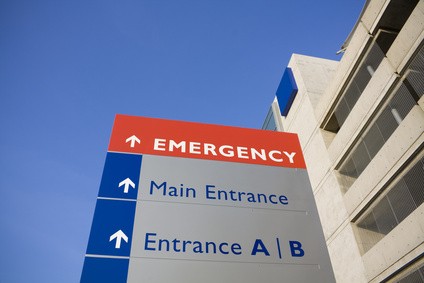
After a car accident in which you are injured, the vast majority of the time, you will end up in the emergency room. Emergency rooms serve a vital function by providing care and injury assessment early after a collision. Should you go to the ER after a car accident if you were hurt? Yes.
Many people misunderstand what it means to be “discharged” from the emergency room. This article offers tips for getting treatment after an injury.
Should I Go to the Hospital After a Car Accident?
Yes, if you have sustained or even suspect an injury, do not take a chance with your health. Visiting the hospital is probably unnecessary if you are not injured or in discomfort.
Yet, time and again, we see people who thought they were not hurt right after the crash having major issues the next day or two. When in doubt, don’t take the chance is our advice.
Go to the ER after a car accident if the impact was major or if you feel any discomfort. If you have questions, talk with a qualified Houston car accident lawyer who will fight for your rights.
The Medical Professionals Will Determine if the Injury Is Life-Threatening
Emergency rooms use triage to determine the severity of injuries as soon as possible. Emergency rooms are not designed to render ongoing care except in the most serious of cases, where immediate surgery is required or the condition is life-threatening.
Be prepared for a long wait unless the staff deems your condition emergent. In Houston, TX, waiting to be seen can take hours.
If your injury is not deemed life-threatening or requires immediate treatment, you will likely be discharged with instructions to follow up with your primary care doctor or a specialist.
The biggest mistake personal injury attorneys see is the injured person not taking action to receive needed follow-up treatment after being discharged from the emergency room after an accident.
*Pro Tip:
Follow up with the appropriate medical provider as soon as possible after being released.
Be Careful What You Sign
When you are first transported to the hospital, you will be given many forms to sign for treatment. If you have health insurance, ensure that the hospital will bill your insurance directly.
Some Texas hospitals refuse to bill health insurance when they learn the person was injured in an accident like an 18-wheeler wreck, where the negligent party may have substantial insurance coverage.
*Pro Tips:
Sign no assignment of benefits if you can avoid it, and submit the hospital bills yourself to your health insurer. Also, follow up on your health insurance’s payment for the hospital bill.
The Hospital Charges Will Be High
In Texas, hospitals may file a hospital lien. The hospital lien statute offers hospitals priority over you or other claimants in accident settlements.
Unfortunately, many hospitals have abused the power of the hospital lien and charged uninsured victims full rates that are often excessive. The good news is that you or your car accident lawyer can often negotiate to reduce excessive hospital charges.
*Pro Tip:
If the hospital files a lien, always contact the hospital to request a reduction of the full billing amount. Also, always provide your attorney with any correspondence about the hospital bill.
What the Nurse Writes Down About the Accident Matters
Inevitably, a nurse or other medical professional will ask you questions about the crash. You should keep the response brief on how the accident happened. Statements such as “I was rear-ended” or “he T-boned me” are okay, but long-winded descriptions of the accident can only hurt your injury claim.
Doctors and nurses don’t care about the facts on the cause of the crash, as they are there to treat your injuries. Unfortunately, if you give a lengthy account of what happened, it only increases the chances that a nurse will paraphrase your description to your detriment.
If the statement is in your medical records, you will live with it. Statements on the stand, such as “I did not say that,” are seldom believed by a jury if the medical records contradict them.
*Pro Tip:
Keep what you say about the collision short, true, and concise, or it will be used against you!
Tell the Medical Providers Every Place It Hurts
It is human nature to focus on the most painful areas. However, when being examined in the emergency room after an accident, you should mention every area of discomfort or pain, even if it seems relatively insignificant. Case after case has proven that items that are not initially the most painful can become chronic problems later.
If you do not mention an area of discomfort in your initial doctor visit, you can be assured the insurance company will dispute the later identified injury.
Pro Tip:
Always tell the doctors about any discomfort or pain in any area.
Call the Injury Attorneys at Baumgartner Law Firm for a Consultation!
Get a Free Consultation about a personal injury in Houston. Call Baumgartner Law Firm in Houston for a no-obligation consultation about your rights, options, and next steps if another’s negligence hurts you. Call (281) 587-1111
Baumgartner Law Firm
6711 Cypress Creek Pkwy, Houston, TX, 77069
Related Posts:
- What You Need To Know About Texas Hospital Liens
- What You Need to Know About Dealing with an Insurance Adjuster on a Personal Injury Claim
- 5 Things You Need to Know About Going to the Emergency Room After a Car Accident
- Emergency Room or Urgent Care After a Car Wreck
- Do I Really Need an Attorney for a Personal Injury Claim in Texas?